originally posted on 10/3/2022
View full-sized image.
Can a roller coaster leave riders stuck hanging upside down? Why do loop de loops have so many different shapes and sizes?
The truth is, there are thousands of distinct roller coaster elements that make every ride a unique experience. Inversions are elements of coasters that turn riders upside down. Each type of inversion has a specific design so that guests reach certain speeds to experience certain amounts of force, allowing for a thrilling ride and exciting disorientation.
Not every upside-down aspect of coasters is considered a “loop,” and, although historically featured solely on steel coasters, technology has advanced so that even wooden coasters can have inversions. This article will clarify and differentiate some of the most common roller coaster inversions so that the next theme park experience will be full of knowledge and fun!
Vertical Loop
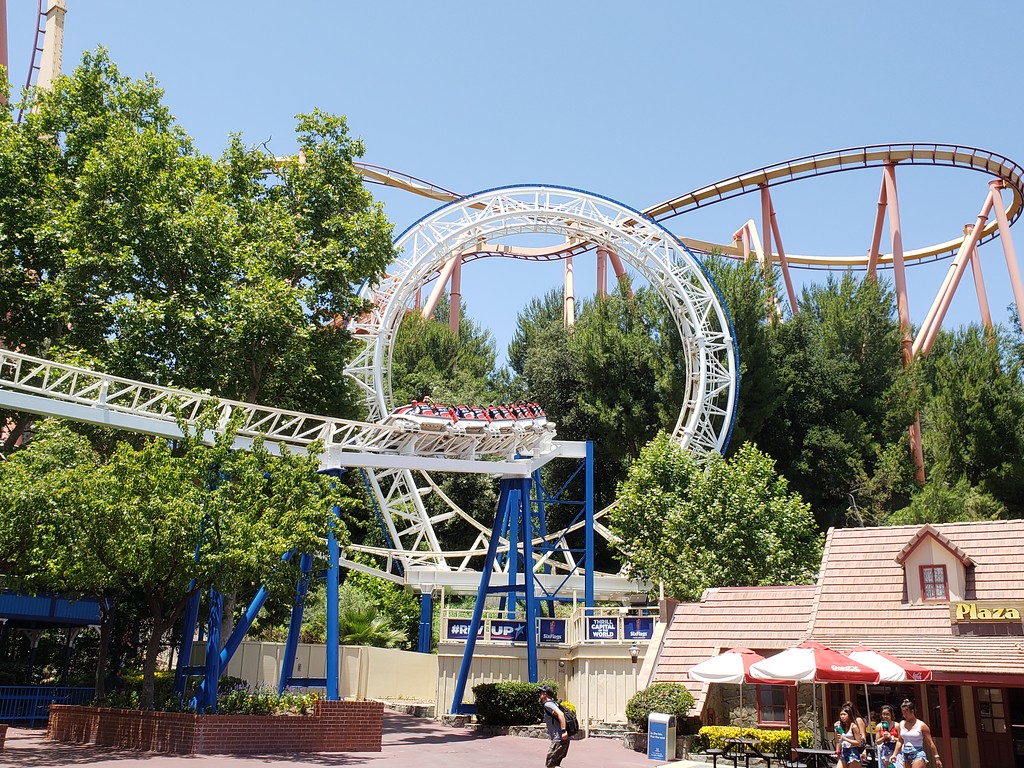
Revolution at Six Flags Magic Mountain.
Photo: Tim Baldwin. View full-sized image.
This classic loop was the first vertical inversion to be featured on a roller coaster, and it is eye-catching, with its near-perfect circular shape. Satisfying to watch, and fun to experience!
Clothoid Loop
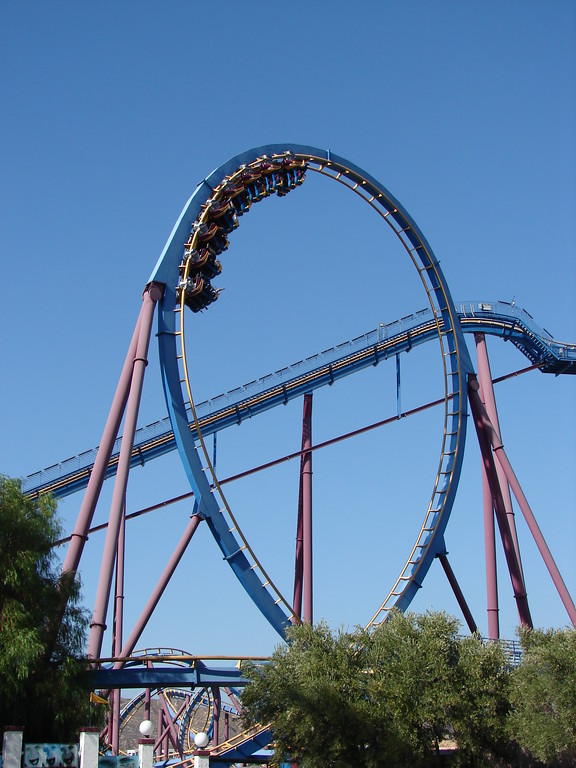
Scream at Six Flags Magic Mountain.
Photo: Tim Baldwin. View full-sized image.
Nope, this image is not doctored. The new and improved loop is more oval-shaped than a perfect circle, but its thinner design is meant to be much more comfortable for guests than the original loop. The clothoid loop is commonly featured on roller coasters of all models, and it’s just the right speed so that the force is enjoyable and thrilling, but not “hardcore.”
Corkscrew
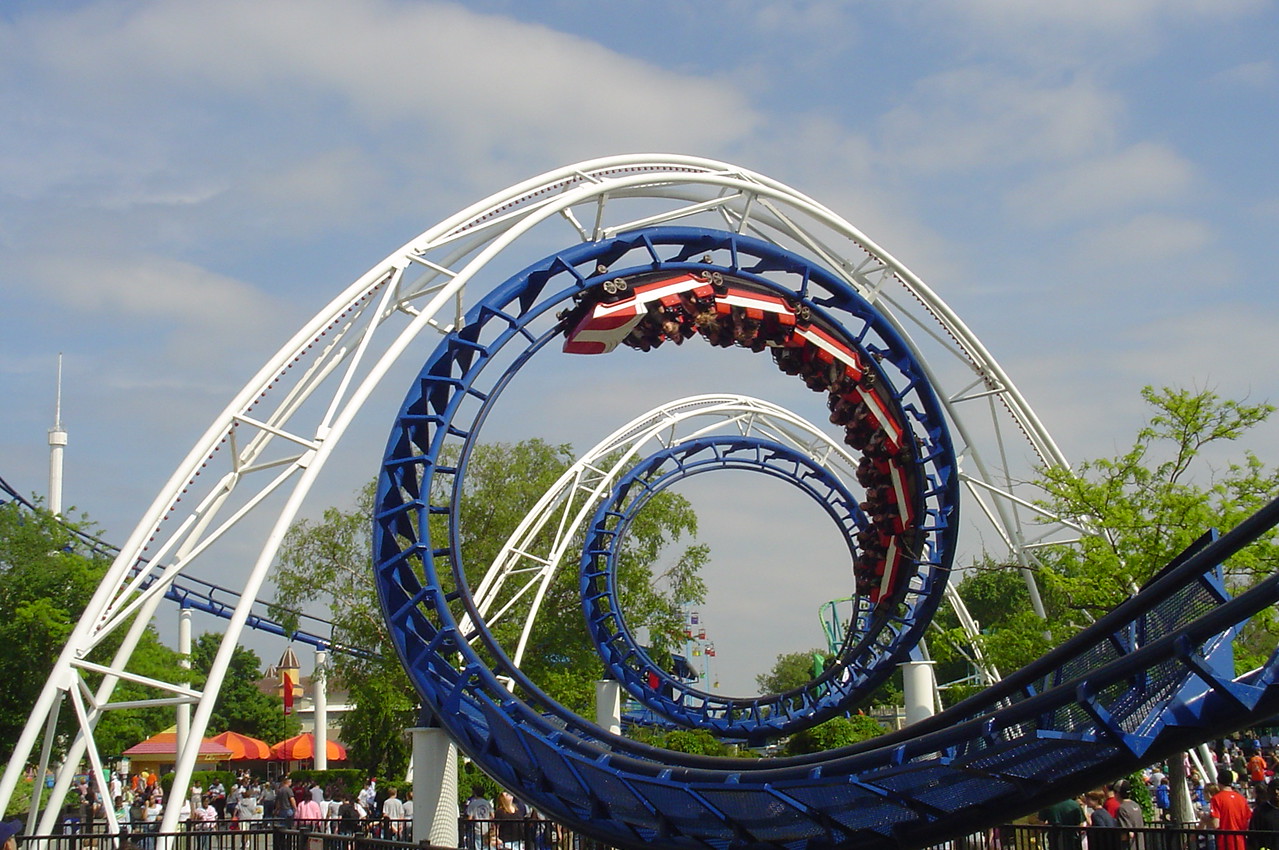
Corkscrew at Cedar Point.
Photo: Tim Baldwin. View full-sized image.
Remember slinky toys? Take one and stretch it out to find an abundance of corkscrews. Corkscrew inversions are drawn out so that riders grasp every angle while being twisted all around. All around the world, coasters are named “Corkscrew” because they feature the world’s first roller coaster inversion!
Zero-G Roll
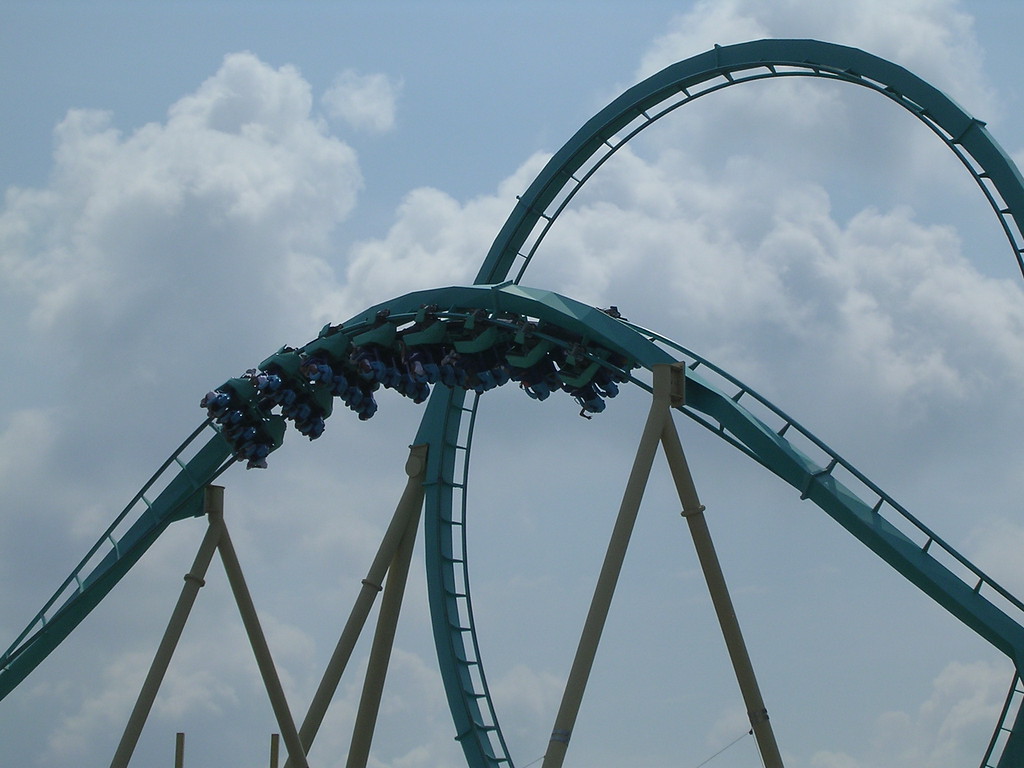
Kraken at SeaWorld Orlando.
Photo: Bobby Nagy. View full-sized image.
Zero-G rolls are designed to make riders feel weightless — by hitting a G-force of, you guessed it, zero. The track twists 360 degrees to spin riders completely around in a short period of time. It’s whippy, thrilling and perfectly disorienting.
Zero-G Stall
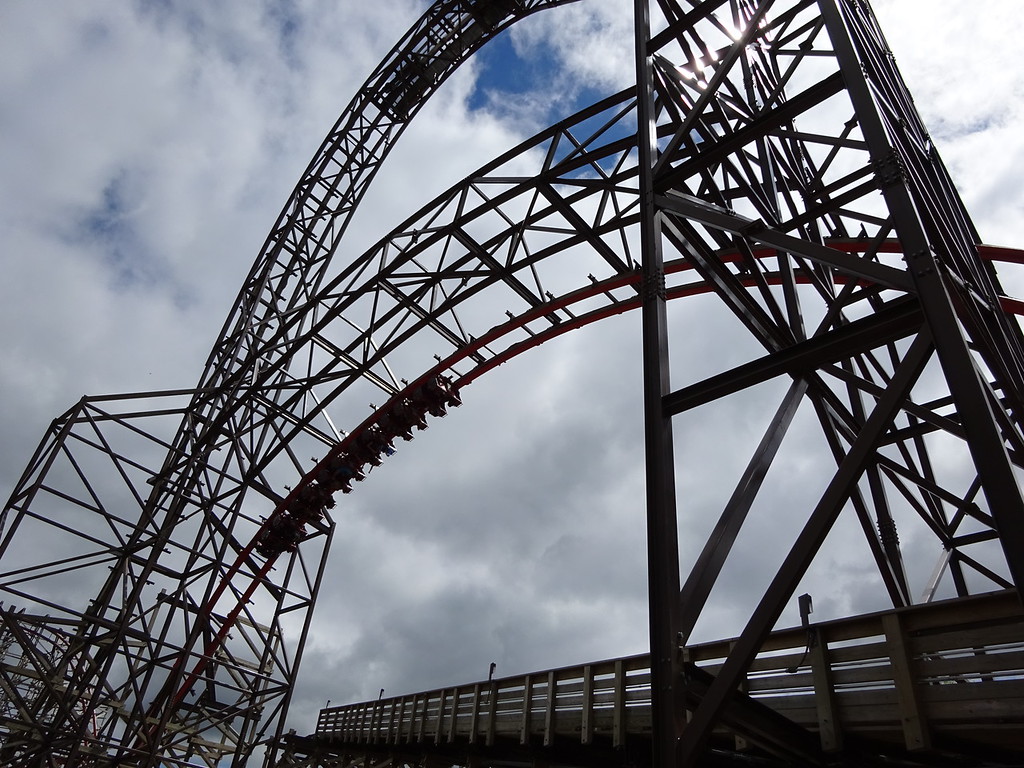
Goliath at Six Flags Great America.
Photo: Steve Gezesh. View full-sized image.
Zero-G stalls are essentially zero-G rolls with a twist (pun intended). The track’s twist is stalled while riders are completely upside down, giving them the feeling of hanging upside down for a few seconds before returning to the upright position by twisting to the same side as they did originally. This elongated inversion is more relaxing than it is thrilling, some might argue, but it provides a feeling not possible anywhere else!
Immelmann
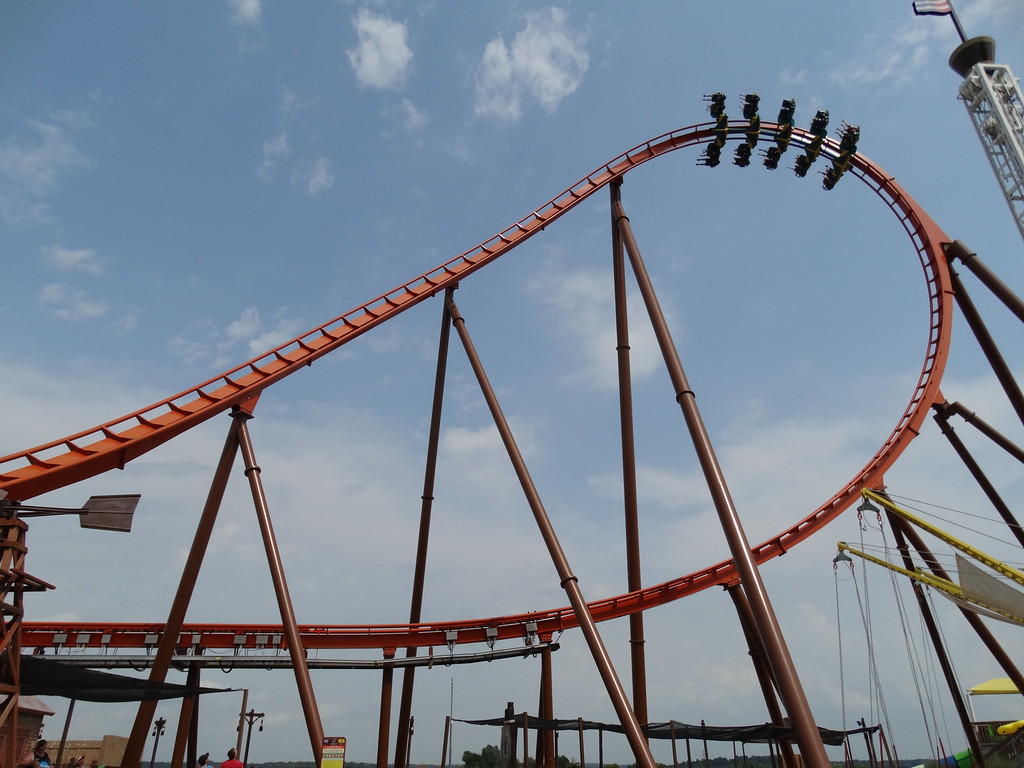
Thunderbird at Holiday World.
Photo: Tim Baldwin. View full-sized image.
Don’t be fooled by the loop-shaped half of this element — after shooting up to the top of the inversion, Immelmanns twist back into the opposite direction instead of falling back down to continue in the original direction. These disorienting inversions are often found on dive coasters and wing coasters and are absolutely stunning to watch.
Dive Loop
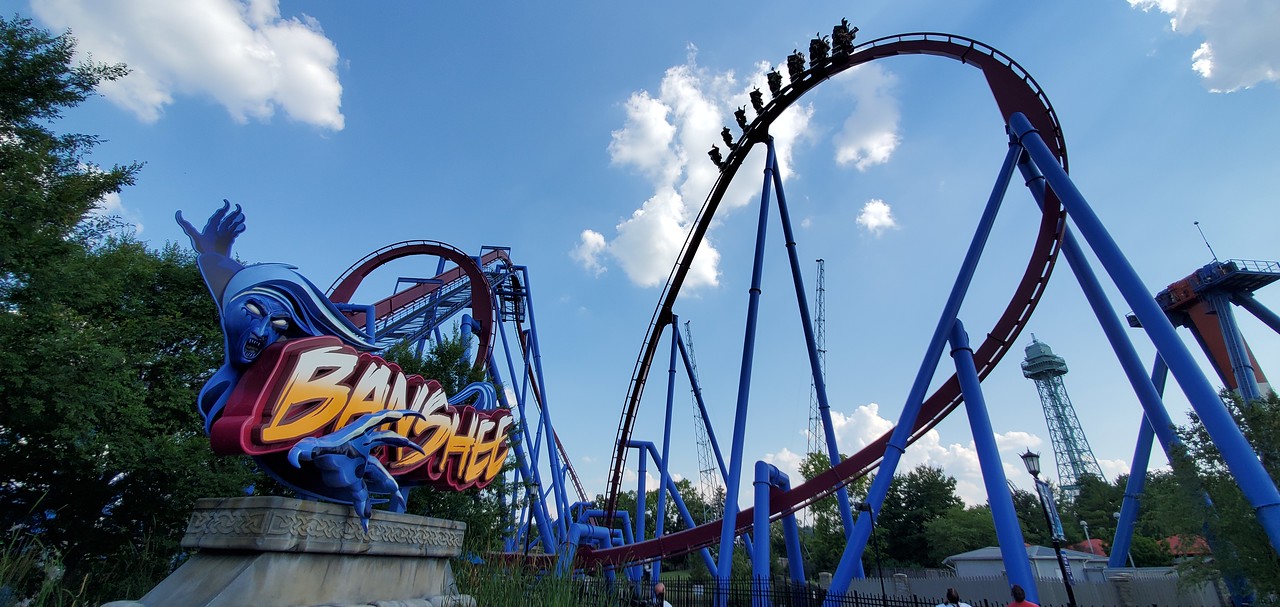
Banshee at Kings Island.
Photo: Derek Perry. View full-sized image.
Dive loops are the inverted version of Immelmann inversions (try saying that five times fast!). Incorporated into inverted coasters, with the train dangling underneath the track instead of on top of the track, dive loops twist riders around and then swing them down toward the ground.
Cobra Roll
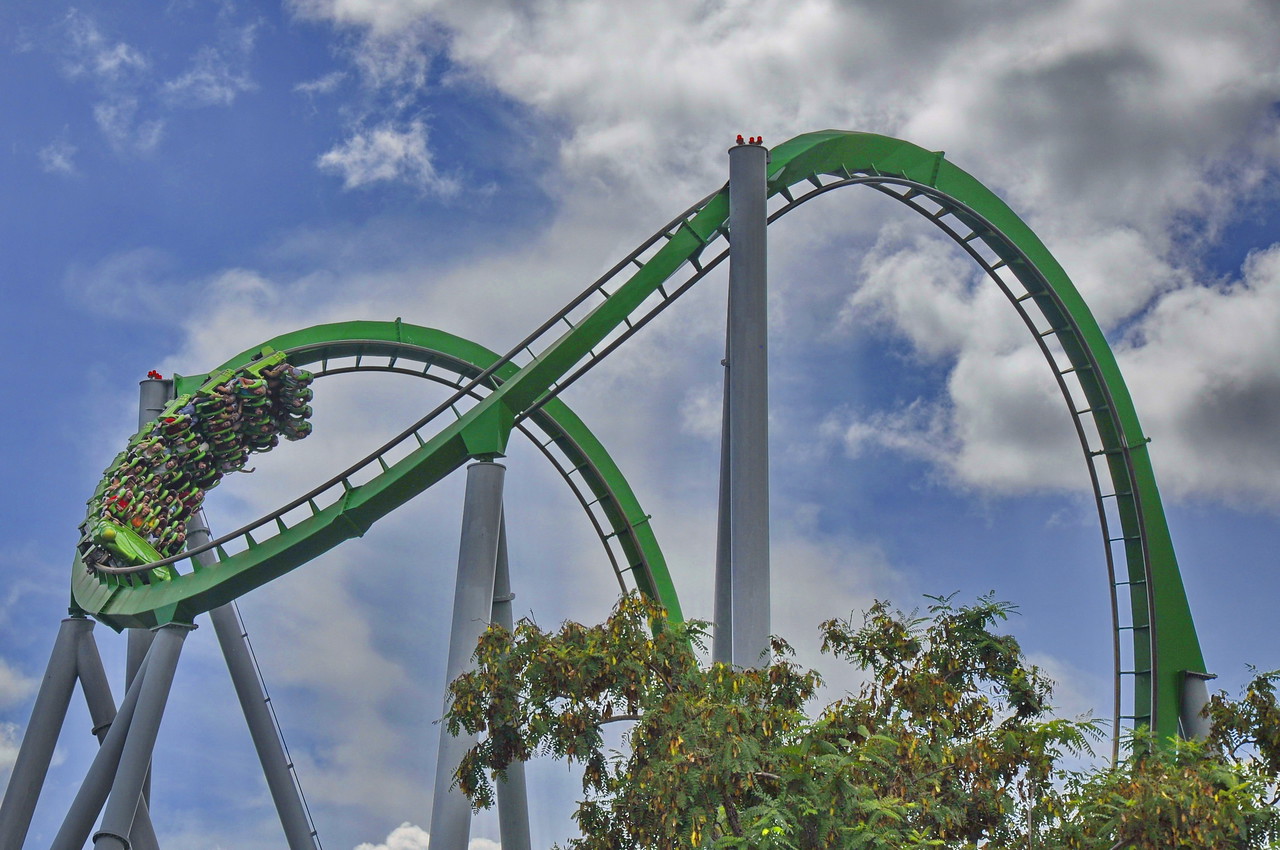
Incredible Hulk Coaster at Islands of Adventure.
Photo: Allan Reid. View full-sized image.
Cobra rolls are actually double-inversions, formed by an Immelmann that merges into a dive loop. This famous element’s name is derived from its shape — from the side, it looks like the head of a cobra snake!
In-Line Twist
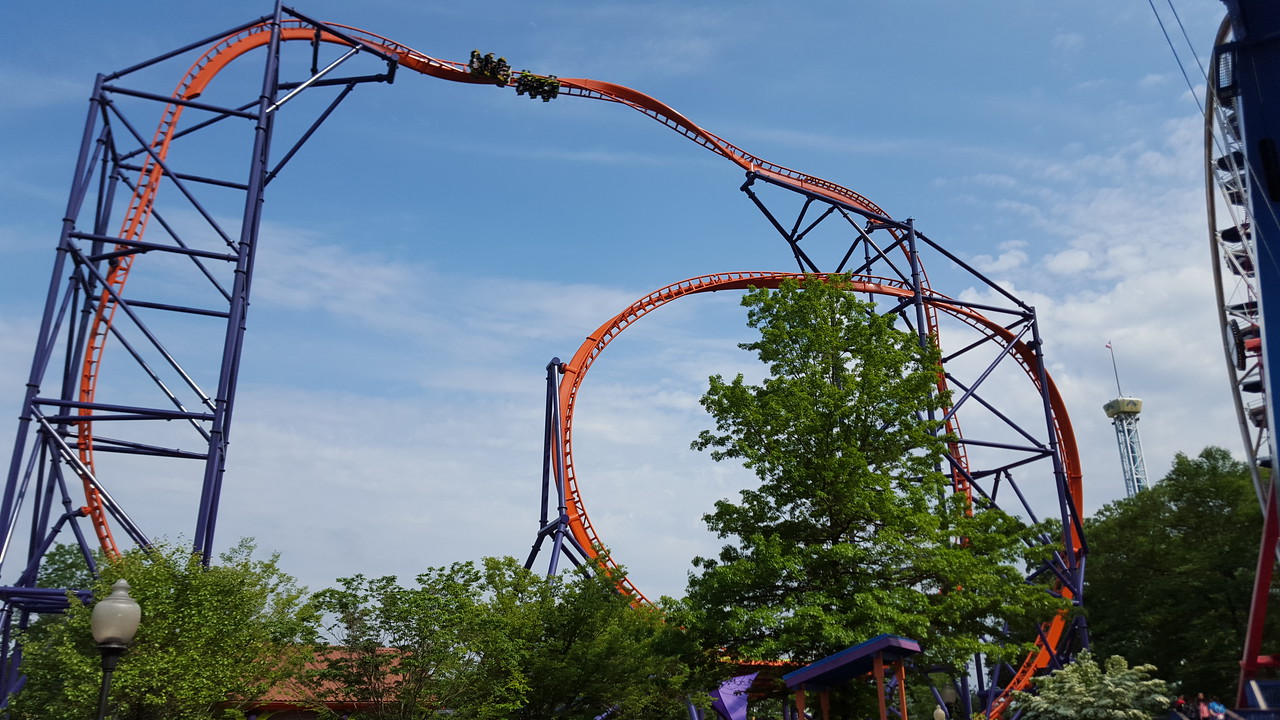
Phobia Fear Coaster at Lake Compounce.
Photo: Rus Ozana. View full-sized image.
In-line twists spin riders 360 degrees, just like zero-G rolls, but rather than having the train twist around the central point of the track, the track twists around the central point of the train. Riders slowly dangle from their seats for what feels like a lifetime, surely capturing every angle of the skyline before returning upright.
Pretzel Loop
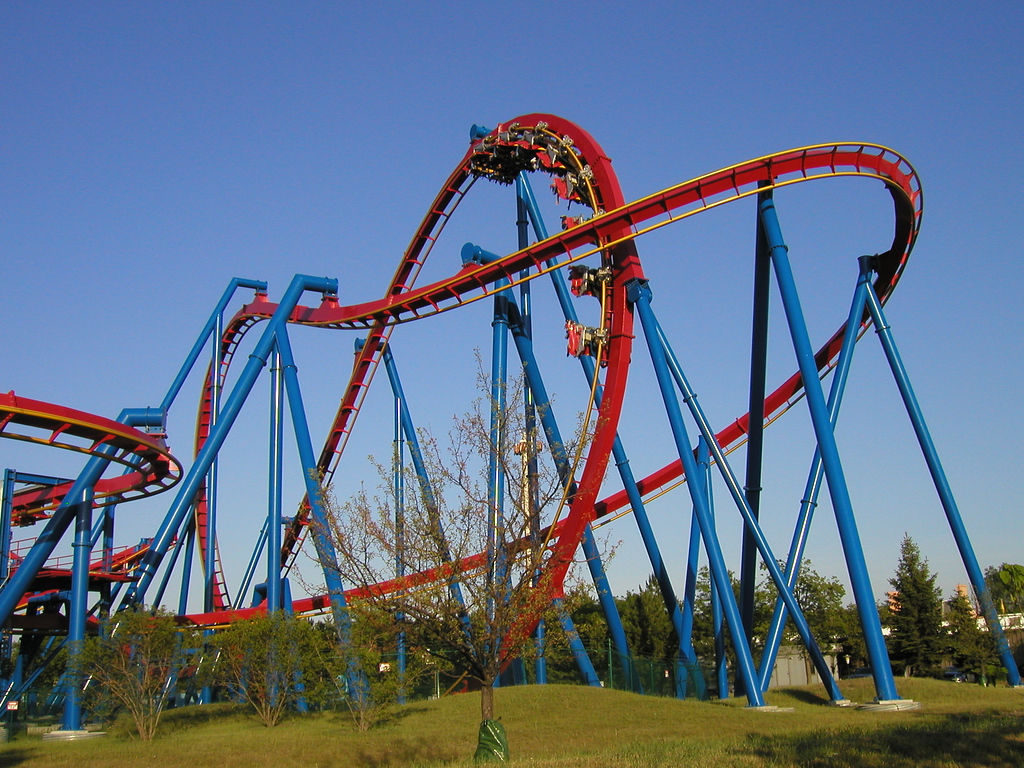
Superman - Ultimate Flight at Six Flags Great America.
Photo: Steve Gezesh. View full-sized image.
Receiving its name because of its pretzel-like shape, pretzel loops are rare inversions seen only on flying coasters, where the riders lie on their backs to face the ground as if they were flying. These bad boys are some of the most intense inversions to be found, but look carefully — only nine exist throughout the entire world!
Knowing some of the most common roller coaster inversions, riders will be ready for their next theme park adventure. Enthusiasts may enjoy some types of inversions over others, but all will help them transcend from being a ground-walker to a sky-flier. Just be aware — most inverting coasters contain a mixture of different elements, so riders can’t just prepare for one!
— Maddie Glenn
American Coaster Enthusiasts is a nonprofit, volunteer organization dedicated to the preservation, promotion, appreciation and safe enjoyment of roller coasters. With 6,000 members worldwide, ACE is the largest and longest-running enthusiast organization in the world. Members of ACE receive exclusive park benefits, newsletters, magazines and the opportunity to attend national, local and even international tours at parks. You can enjoy the benefits of members today! Join at join.aceonline.org.
#ACE360