originally posted on 12/9/2022 1:40:00 AM
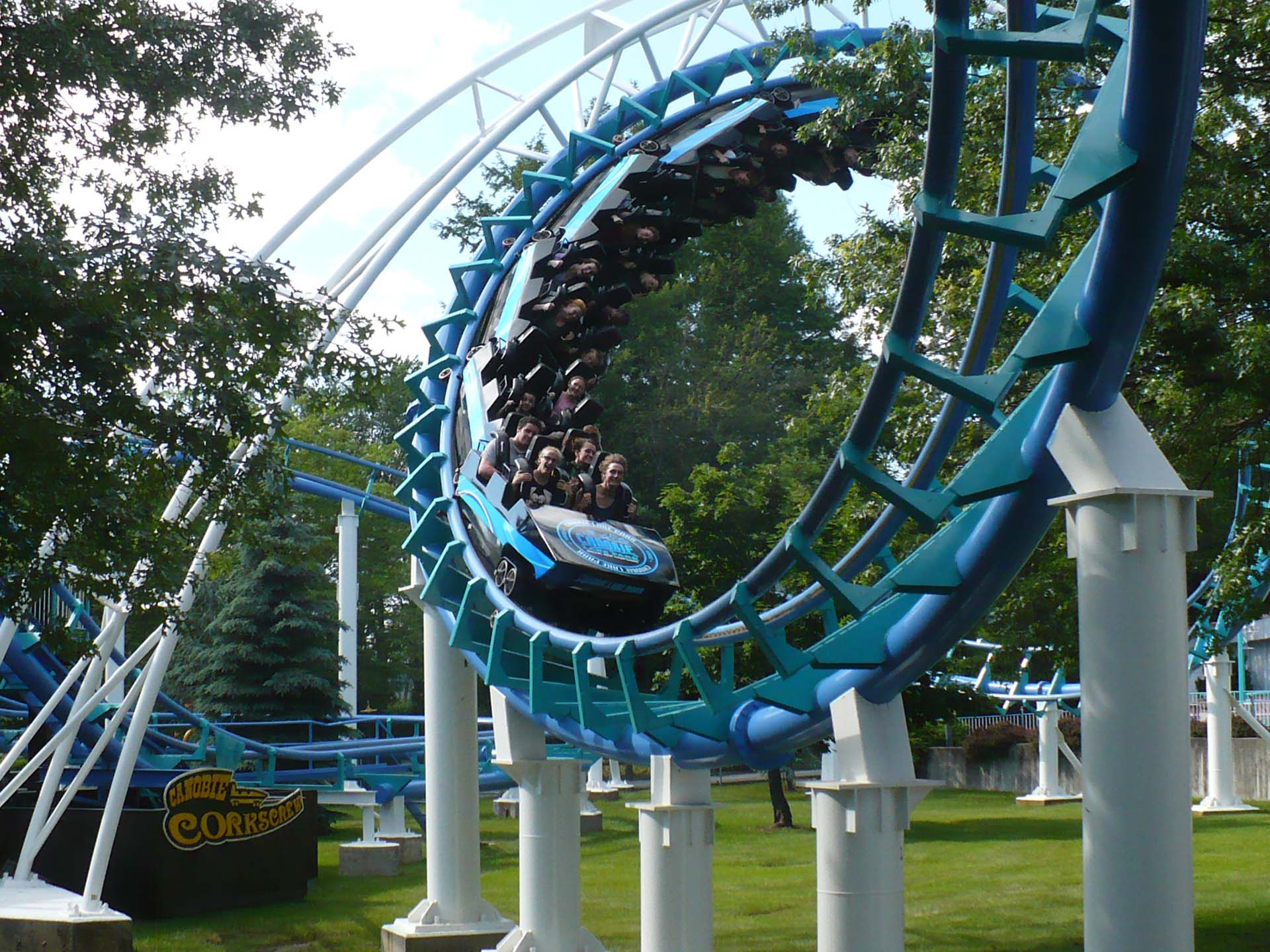
Photo: Michael Horwood. View full-sized image.
The National
Roller Coaster Museum and Archives (NRCMA) received an inversion from the
Canobie Lake Corkscrew into its permanent collection thanks to a
donation by the park. The ride’s namesake element will have a featured location
as the icon for the museum building in the future.
The Corkscrew started its life at Old Chicago theme park (Bolingbrook,
Illinois) as the Chicago Loop. It was Arrow Development’s second
installation of a Corkscrew coaster and the second coaster built to turn riders
upside down twice. The ride was also featured in the 1978 Brian DePalma movie “The
Fury,” starring Kirk Douglas, John Cassavetes and Carrie Snodgrass.
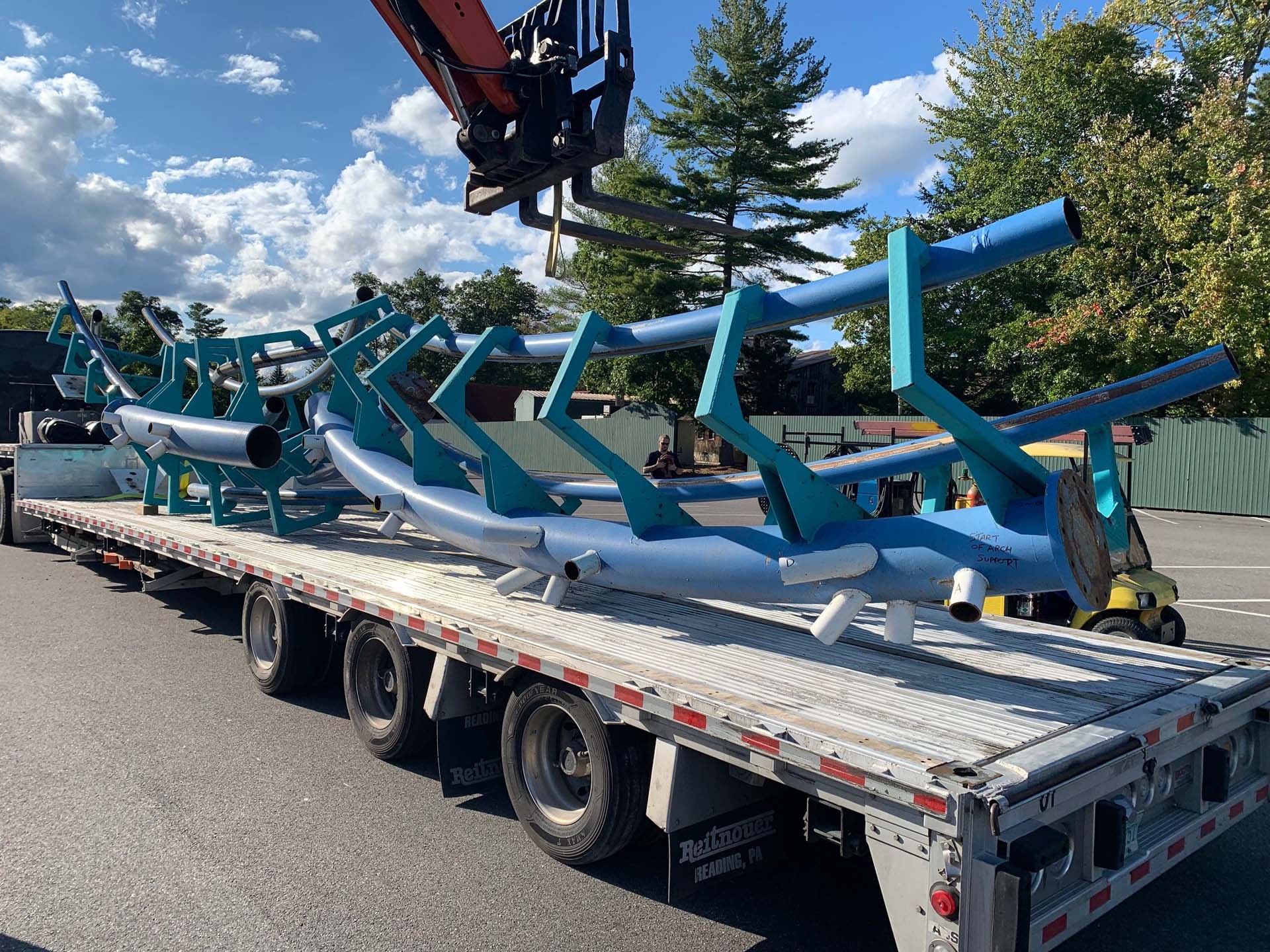
Pieces of track are loaded for transportation to Plainview, Texas.
Photo: Courtesy of Canobie Lake. View full-sized image.
“This is an incredible opportunity to have an important piece of roller
coaster history represented at the museum,” NRCMA Historian Richard Munch
said. “As one of the first four models manufactured at Arrow’s Utah plant
in 1975, it went to Illinois, then was moved to Alabama and later to New
Hampshire. This last piece will have its final home at the museum and is
expected to be a major calling card for the facility on State Highway 194, just
northwest of Plainview.”
ACE donated $5,000 from the Preservation Fund toward the transportation efforts.
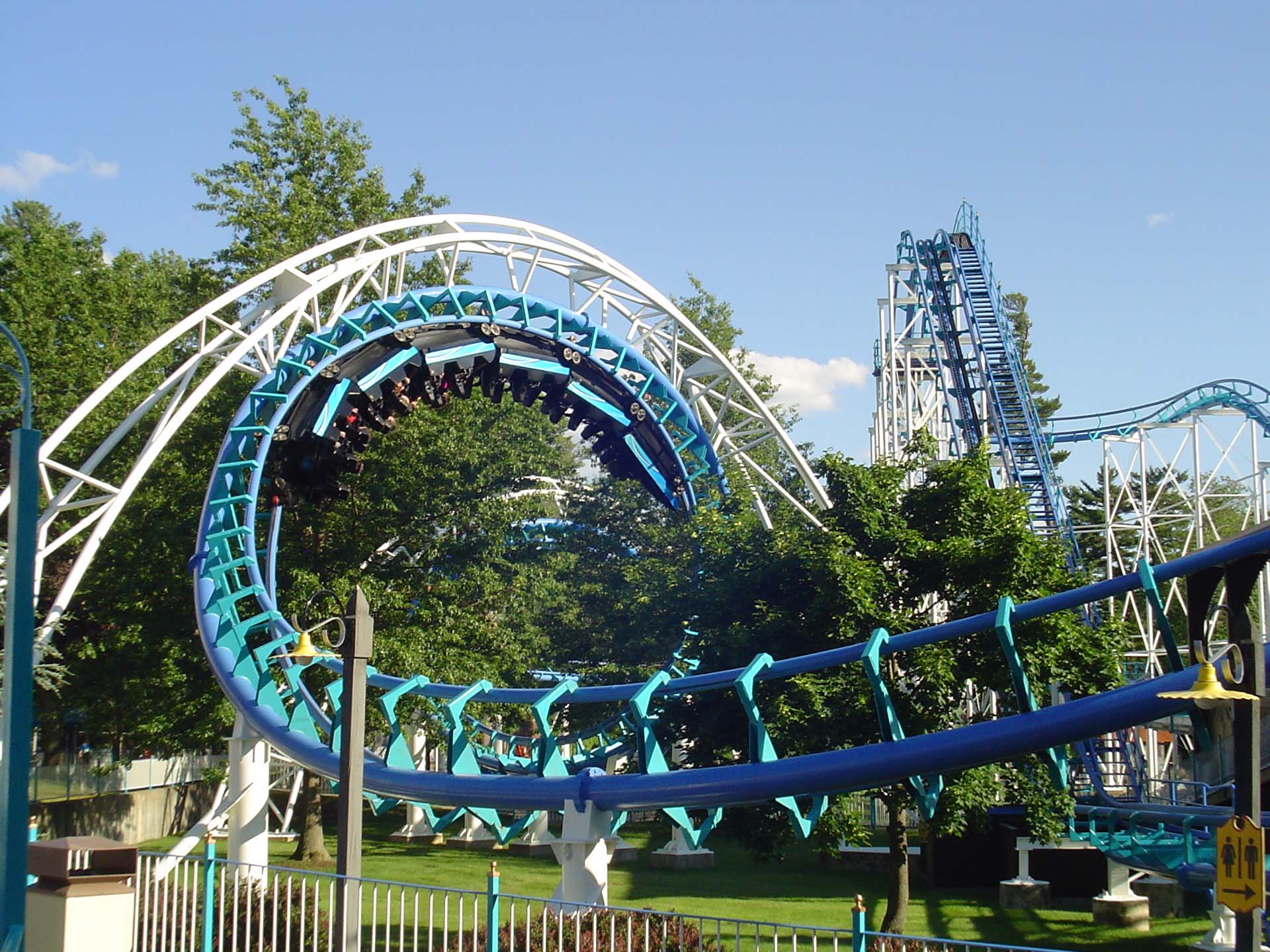
Photo: Jeffrey Seifert. View full-sized image.
Arrow’s Corkscrew coasters ignited a huge interest in roller coasters in
the 1970s as the first modern-day coasters to go upside down. From there, loops
and boomerangs just added to the eye-catching elements that drew in big crowds.
At the time, no one could have even conceived the upside elements that have
been developed in the five decades since.
Canobie Lake
Park purchased the coaster in 1985 and then opened the ride in 1987 after being
granted a height waiver. The park has not announced what may take its
place in the vacated space.
“The effort to bring this section of the ride to Texas
can’t be overlooked. It required five flat beds to move the cars, track
and supports, which came with a hefty bill for shipping the equipment 2,000
miles from Salem, New Hampshire, to the Texas Panhandle,” noted Munch. “Beside
the generosity of Canobie Lake’s ownership, I am thrilled that our board made
this possible, especially with the work of Gary Slade and Hunter Novotny, and
financial support of Jeff Novotny. It’s going to be a great billboard to
those visiting for the first time, as well as the locals who will finally
discover the purpose of this growing facility in Plainview.”
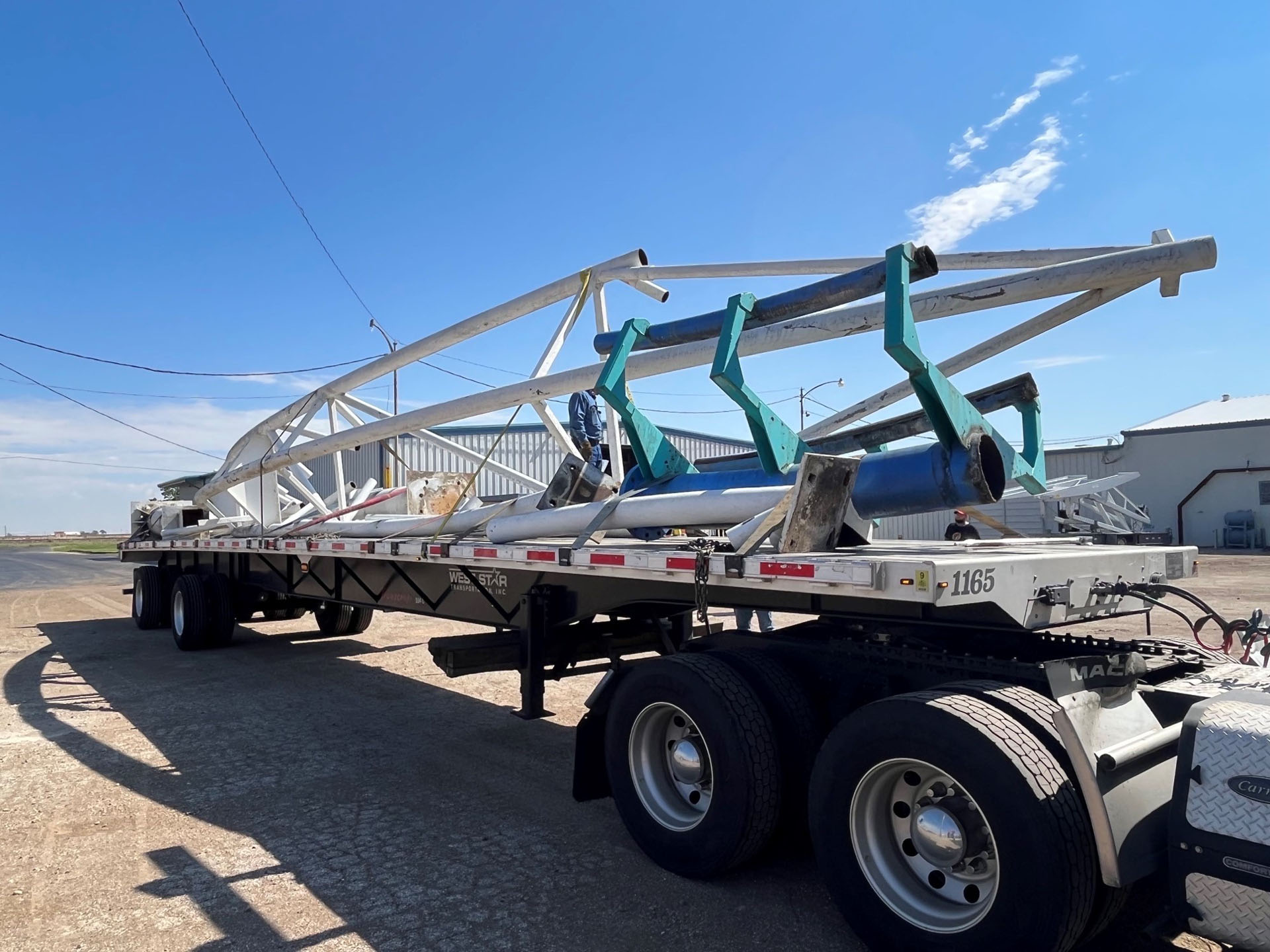
Corkscrew track arrives at Larson International/NRCMA.
Photo: Hunter Novotny. View full-sized image.
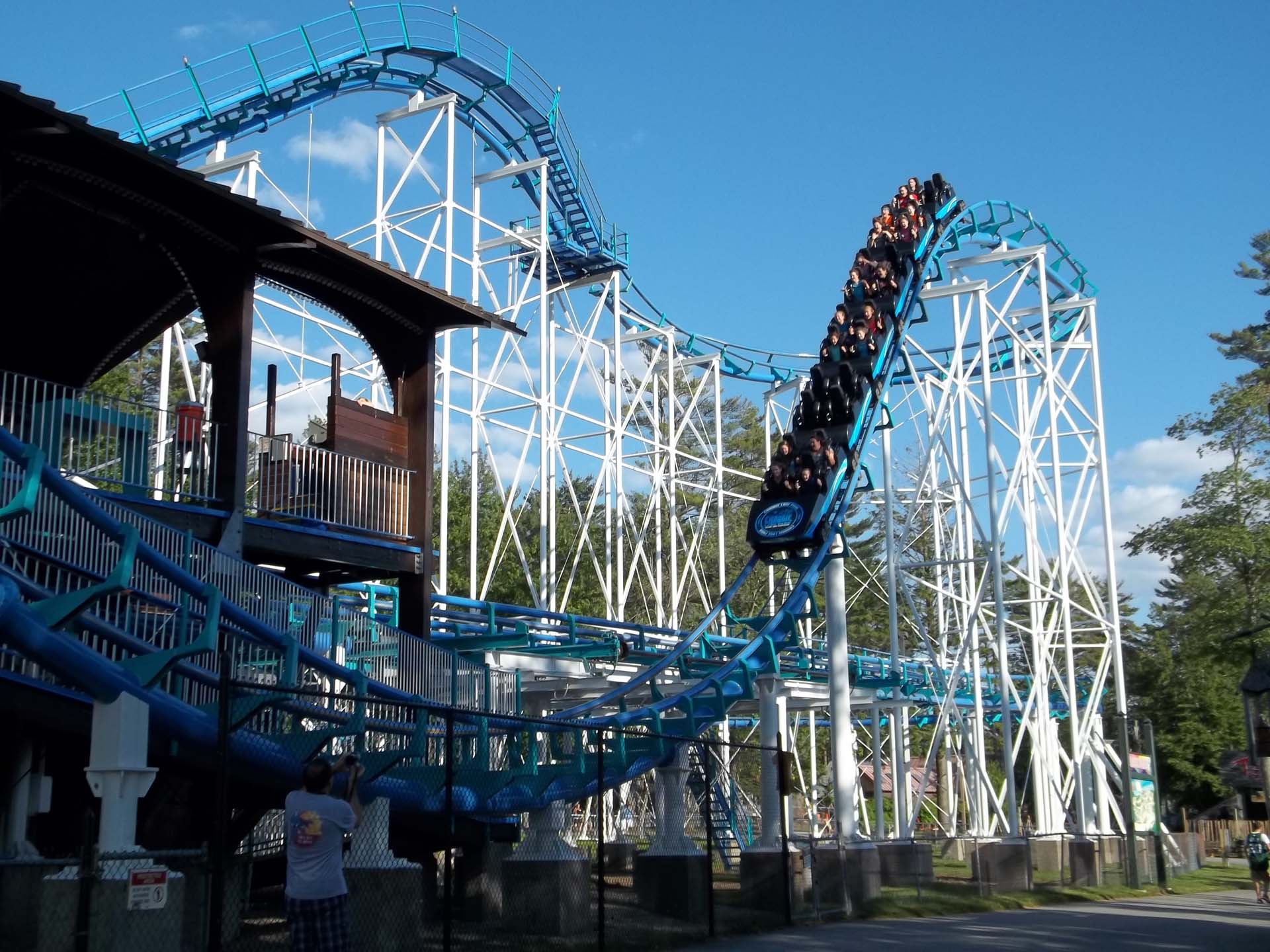
Photo: Alan Shick. View full-sized image.
The first four Arrow Corkscrew coasters to open were at Knott’s Berry
Farm (Buena Park, California), Magic Harbor (Surfside Beach, South Carolina),
Old Chicago and Opryland USA (Nashville, Tennessee). The original still
operates at Silverwood Theme Park in Athol, Idaho, and has been designated as an
ACE Roller Coaster Landmark. The only other surviving model of the 1975 quartet
was relocated to Salitre Mágico (Bogatá, Colombia) in 2000.
— The National Roller Coaster Museum and Archives with Tim Baldwin, ACE News Editor
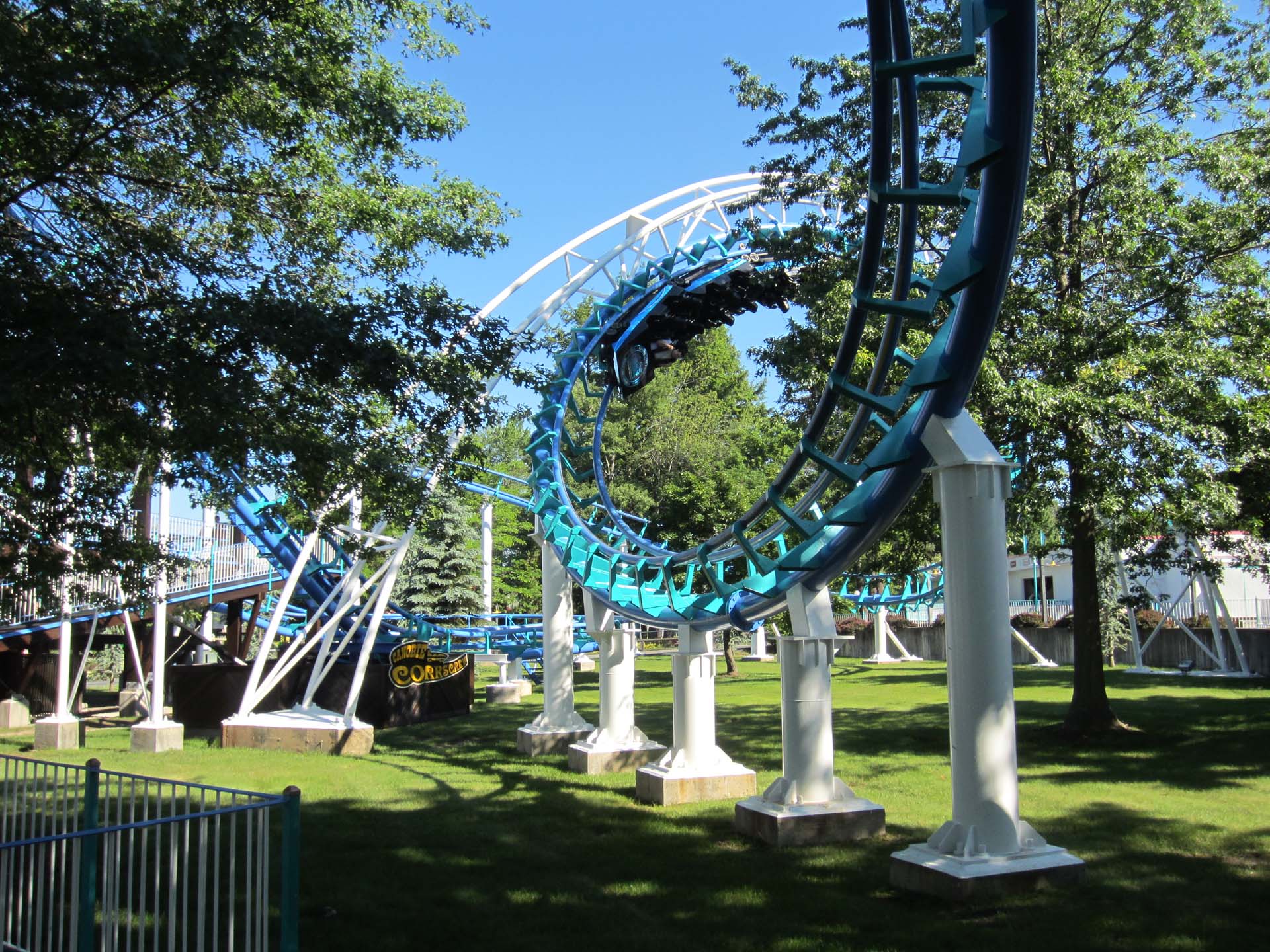
Photo: Jason Wollenberg. View full-sized image.
#ACENews