originally posted on 11/15/2019
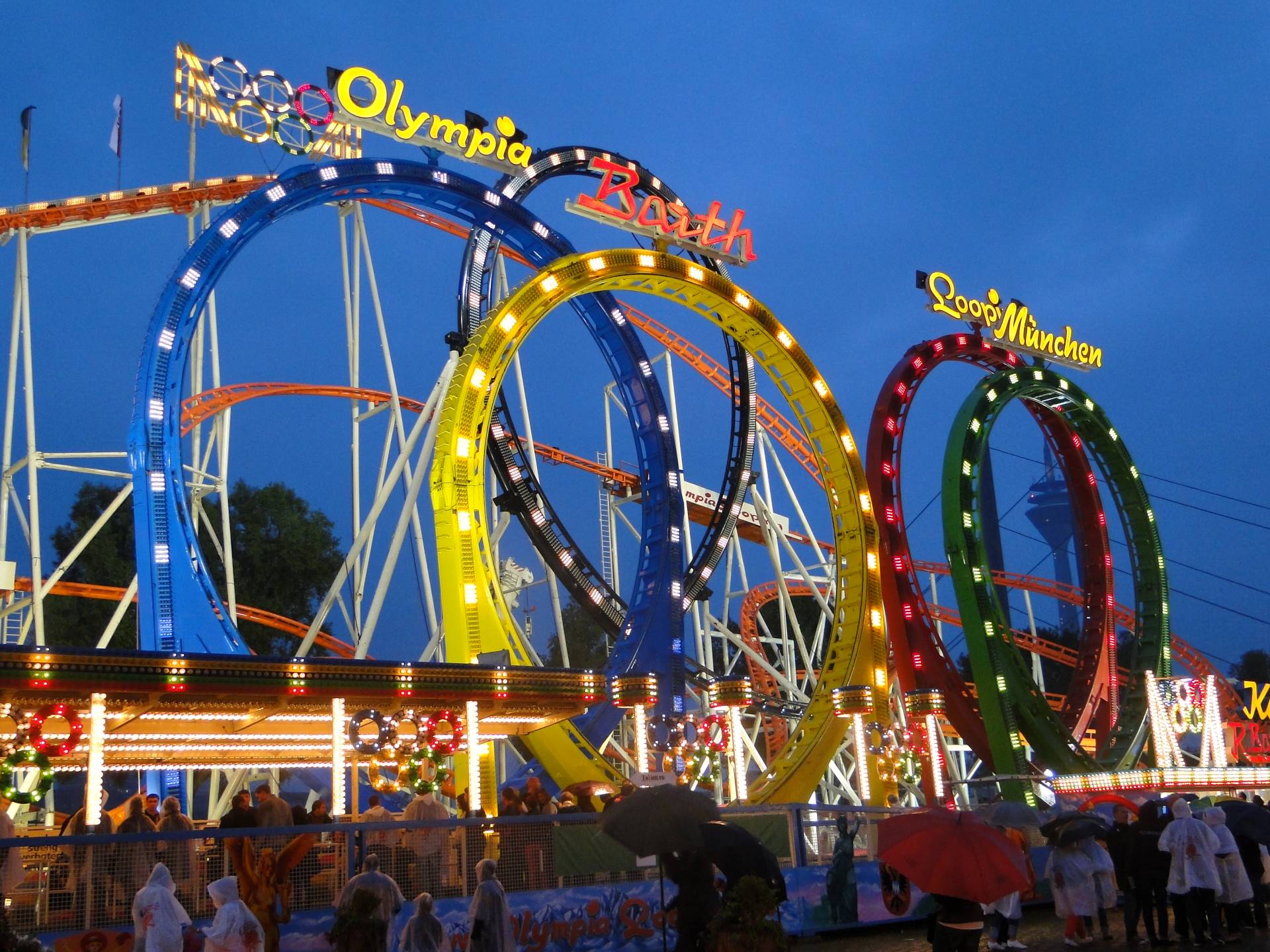
Photo: Cheri Armstrong. View full-sized image.
In October, the government of the Mexican state of Aguascalientes announced that all the pieces and trains for the disassembled Schwarzkopf Tsunami coaster, which had been in storage at their facility, would be scrapped, after three years of unsuccessful attempts to find a new owner. Tsunami had operated from 2008 to 2014 at the Isla San Marcos Parque Temático as part of the San Marcos Fair (a national fair held in Aguascalientes). Unless someone steps up at the last minute to purchase the stockpiled coaster, it is the end of the line for this storied Schwarzkopf-made ride, most famously known by its original name, Thriller.
Designed by Werner Stengel, the steel multi-looping, 3,675-foot-long, 115-foot-tall coaster opened in 1986 when it traveled the funfair circuit (while owned by Oscar Bruch) until 1996, when the ride spent some time at Sweden’s Gröna Lund park before going back to the fairs briefly. It was then bought by Six Flags AstroWorld (Houston, Texas) where it ran (inconsistently) as the renamed Texas Tornado from 1998 to 2000. Next, the coaster was moved to Six Flags Discovery Kingdom (Vallejo, California), then known as Marine World. Renamed Zonga, it ran (again with considerable downtime and after many modifications) for only two years, from 2003 to 2004. Zonga was bought in 2008 by the Aguascalientes state government for use at the National Fair. The coaster was renamed Tsunami and operated up until 2014. It was closed after that year, stored, and now appears ready to be scrapped, since no one else seems willing to give this Schwarzkopf another home.
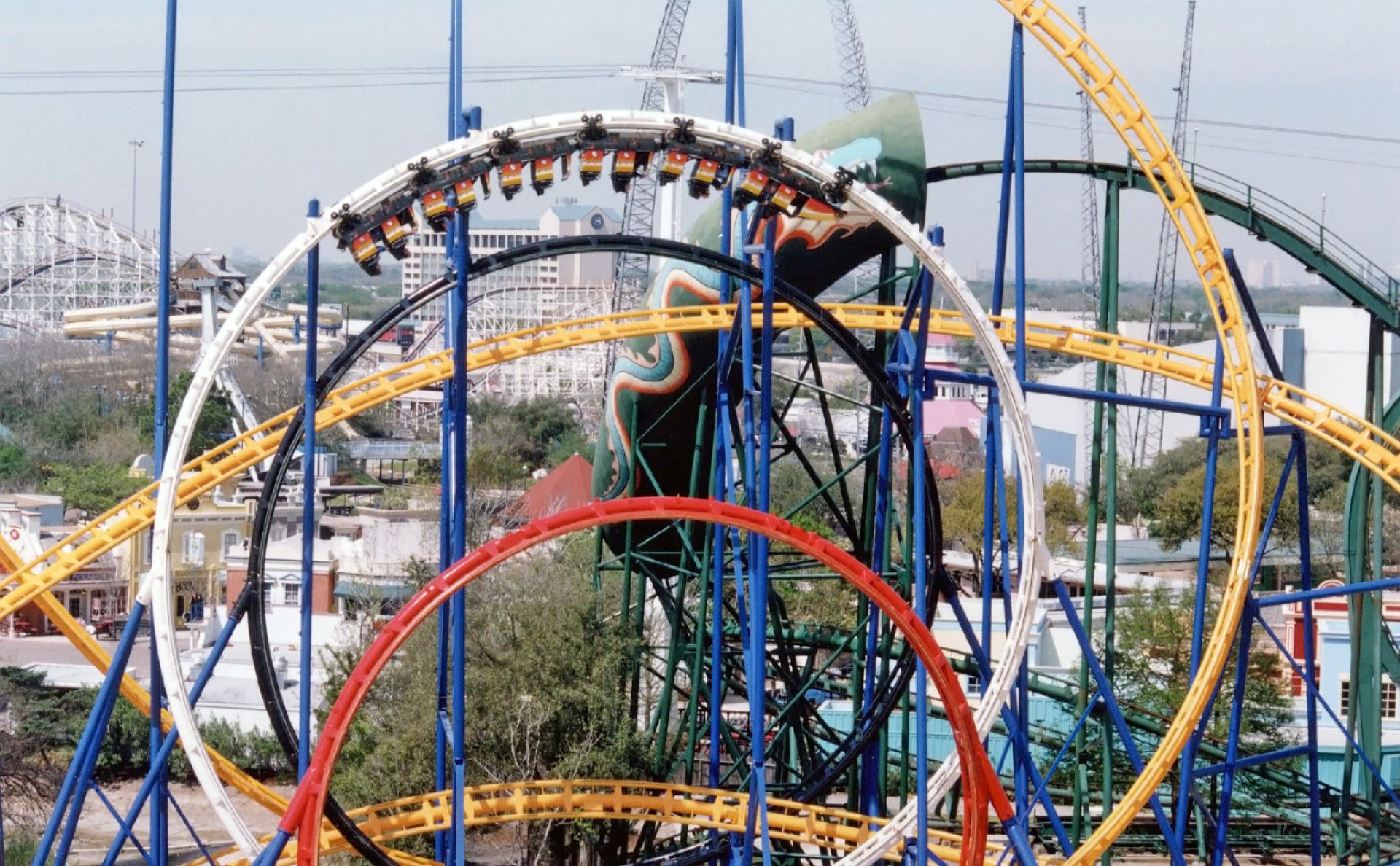
Thriller, when it was known as Texas Tornado at AstroWorld.
Photo: Courtesy Six Flags. View full-sized image.
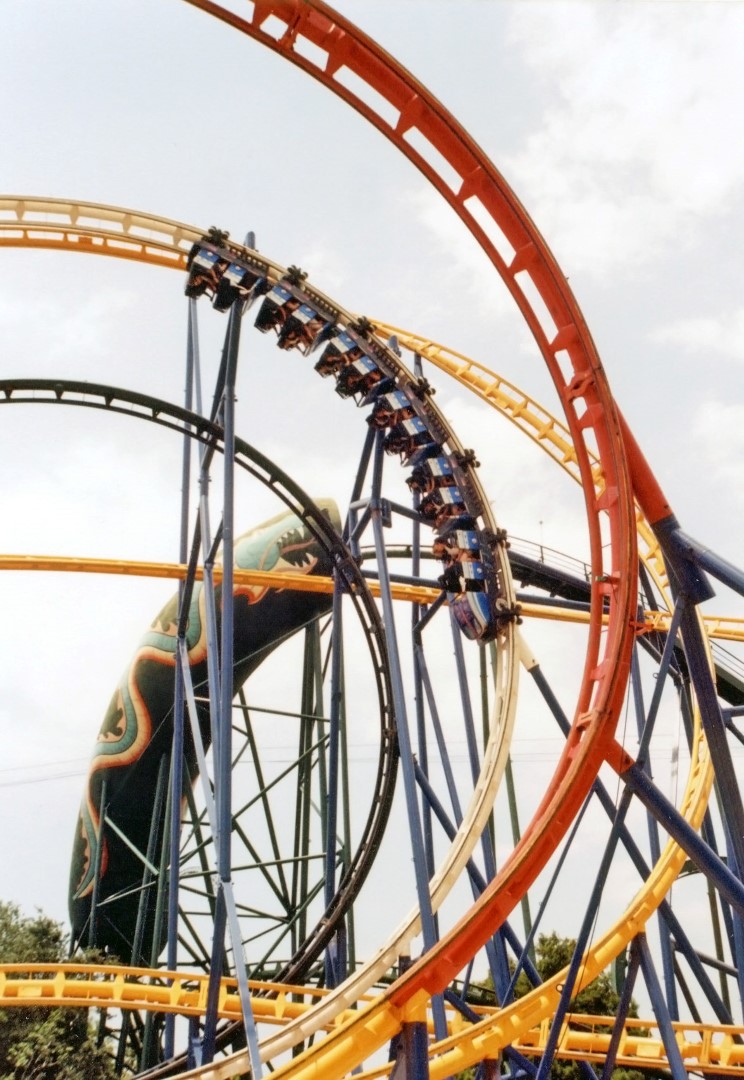
Photo: Courtesy Six Flags. View full-sized image.
In other sad news, the Mexico Daily News reports that none of the rides at the La Feria de Chapultepec Mágico (Mexico City, Mexico) had been properly maintained, including the Schwarzkopf coaster Quimera (on which two riders were killed when their car derailed on September 28). Speaking before the Mexico City Congress, Myriam Urzúa Venegas, the capital city’s Civil Protection Secretary, said there were several defects with Quimera and that the park management should have shut it down. Urzúa said that authorities are working with the International Association of Amusement Parks and Attractions “to bring national regulations into line with international ones,” adding that a local regulation initiative will be presented to Congress soon. Screamscape reported that La Feria Chapultepec Mágico had its operational permit for the park revoked by the local government in the fallout over the deadly accident. A new operator is being sought to take over the park. If a new operator is selected, several of the park’s current rides will be removed.
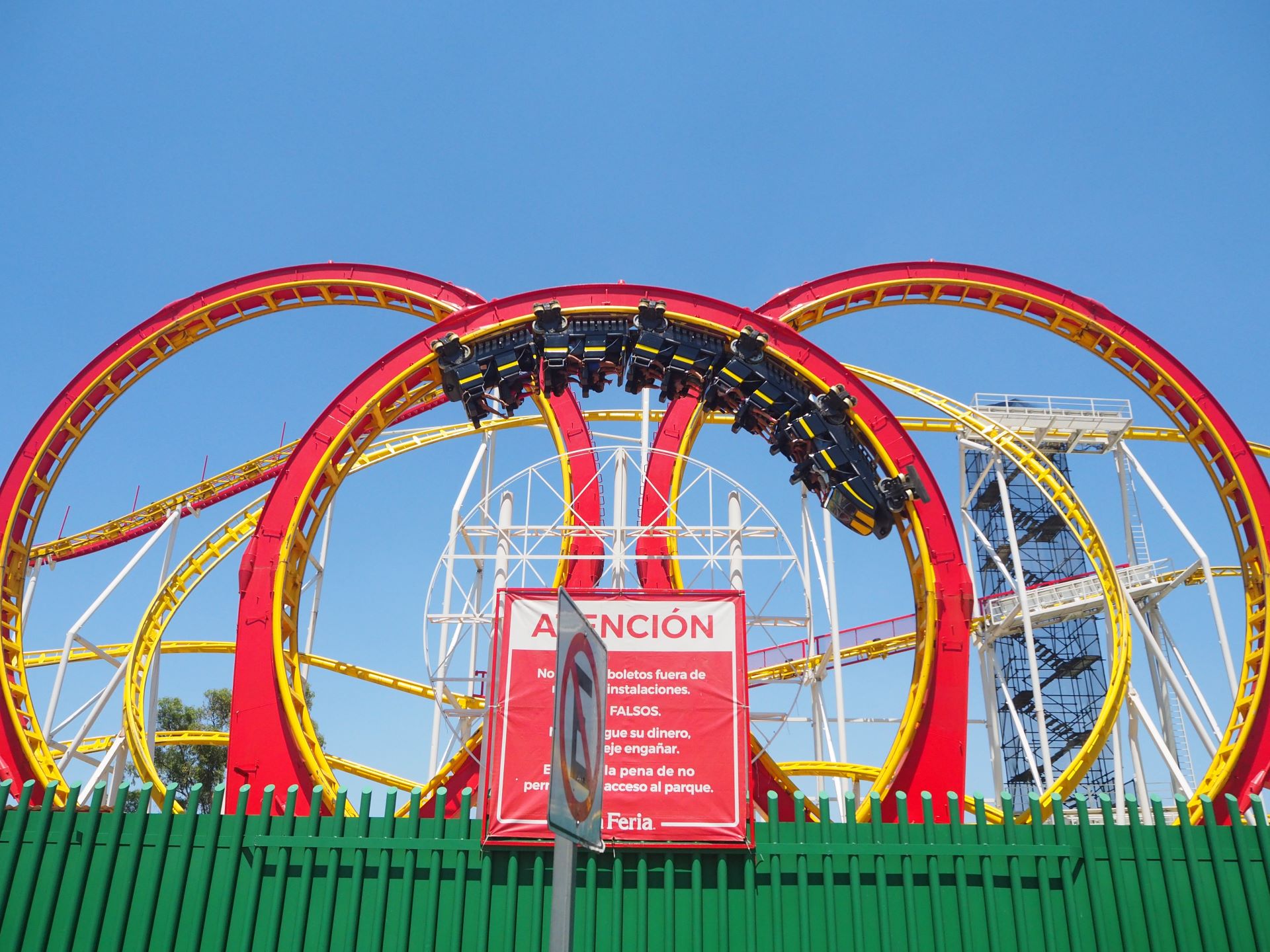
Photo: Keith Kastelic. View full-sized image.
However, even if it’s removed, it is thought doubtful that Quimera will ever operate again. Quimera began life, and might be more fondly recalled, under its original name as Drier Looping (Triple Loop) when it debuted in 1984, owned by Rudolf Barth, as the world’s first coaster with three vertical loops. The 3,444-foot-long, 111-foot-tall steelie enjoyed the German fair circuit until 1997 when it found a home at Sunway Lagoon park (Subang, Malaysia) as the Triple Loop Coaster. In 2005 it found renewed life as Magnum Force at Flamingo Land (Malton, England). Finally, the Schwarzkopf ride moved to Mexico in 2007, where it may have seen its final days.
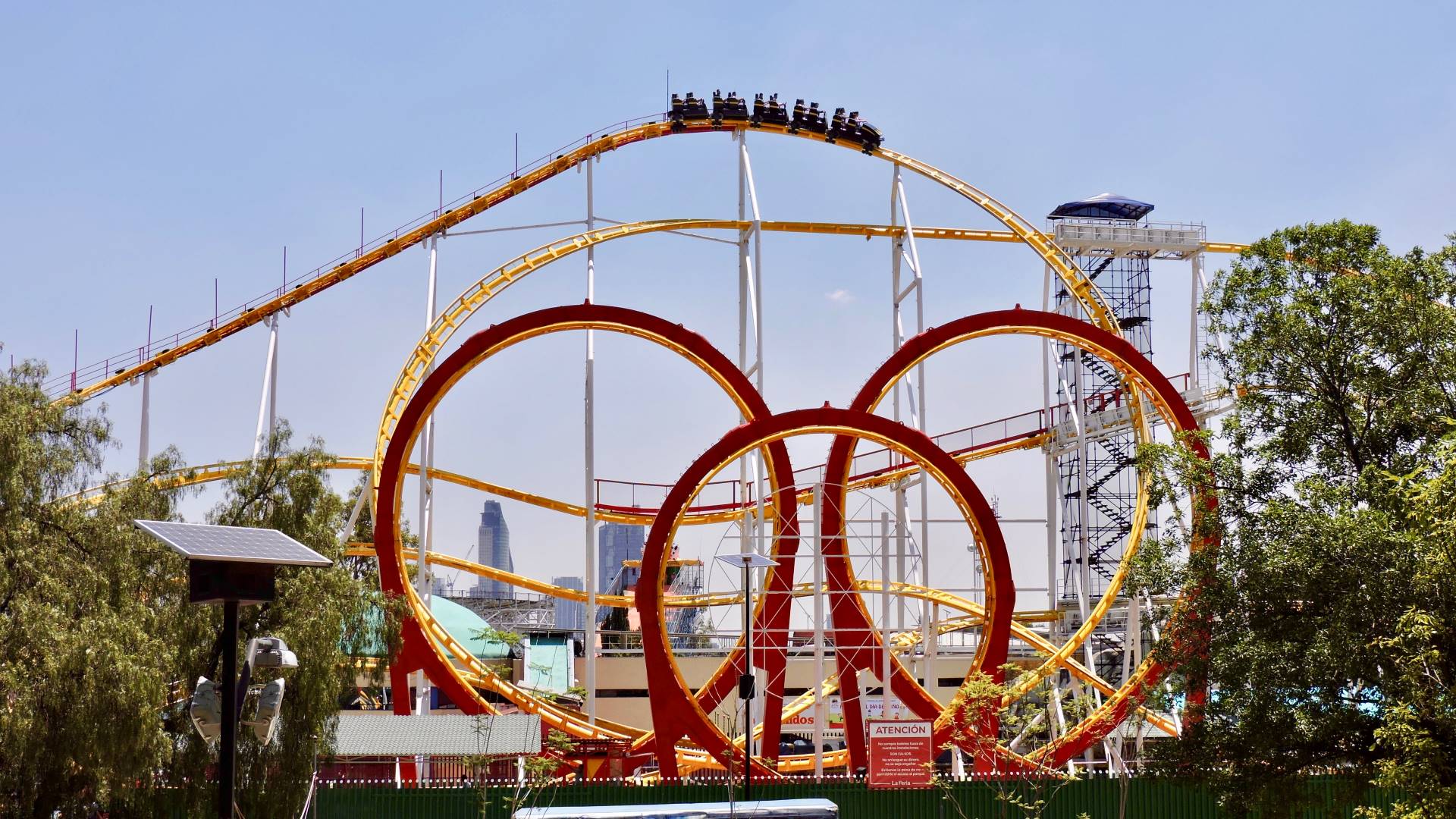
Photo: Jim Winslett. View full-sized image.
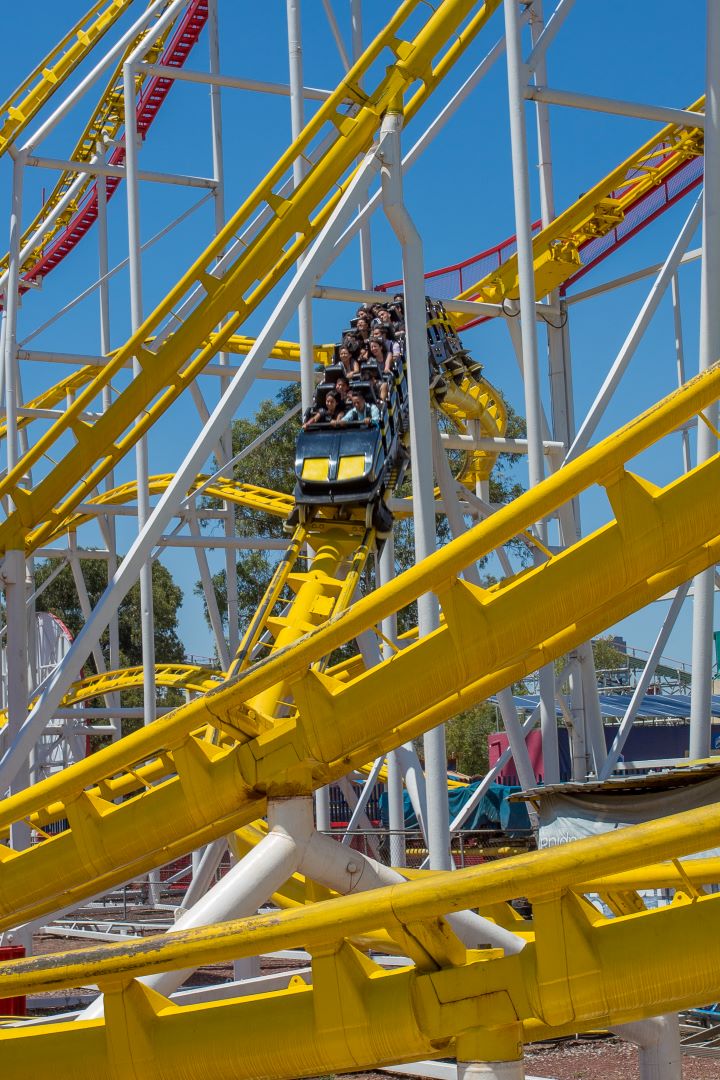
Photo: Jonathan Hymes. View full-sized image.
By contrast, however, there are some good Schwarzkopf coaster tidings. Another of his signature coasters, this one thankfully not closing, as it has happily survived and thrived under only one owner, is celebrating its 30th birthday. Olympia Looping, coming in at 4,101 feet long and 106 feet tall, debuted in 1989 at Munich Germany’s Oktoberfest. Designed by Anton Schwarzkopf himself, the coaster is named after its five vertical loops, which are more circular in shape than usual so that they can resemble the five-ringed symbol of the Olympic Games. The ride has been making the fair circuit in Europe over the years, has appeared at Vienna, Austria’s Wiener Prater for a couple of stints and will savor a multi-week run at Hyde Park in London for a Winter Wonderland event this Christmas. Abendzeitung newspaper recently spoke with Otto Barth (of the Barth family, owners of the ride). The coaster is Barth's pride and joy. "It's the largest transportable roller coaster in the world," he said. "And now for 30 years."
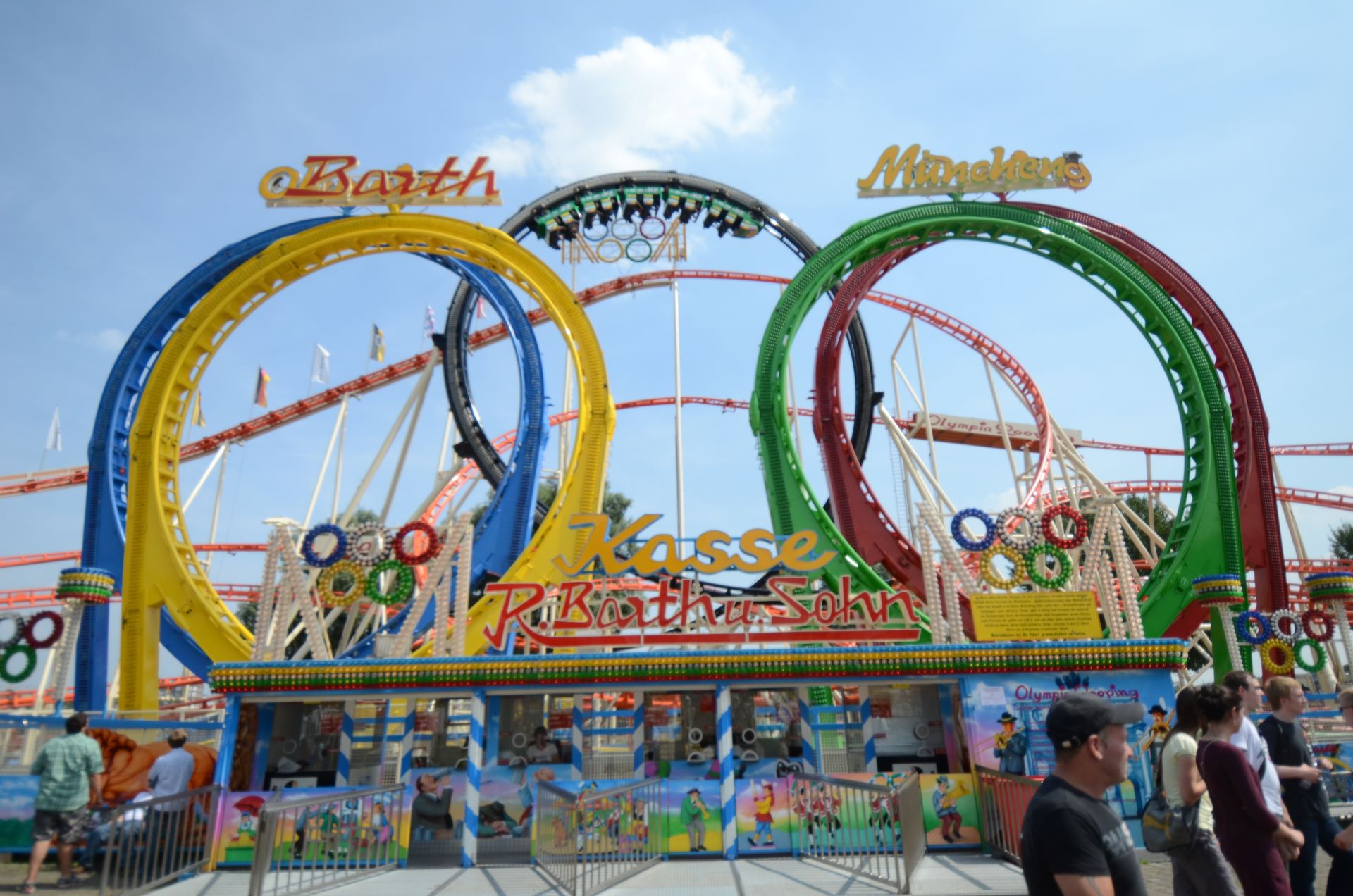
Photo: Keith Kastelic. View full-sized image.
Vienna, Munich, London: The roller coaster is traveling a lot. "We used to be at many small folk festivals," said Barth, "but that's hardly worth it." The transport of the roller coaster was too expensive. Forty-eight trucks transport 900 tons of rails, screws and bolts. It takes a 300-ton mobile crane to set up. But many small festivals were not visited enough. "That's a shame," Barth regrets, "but that's the way things are." Barth does not worry about the future. His son Michael has been taking care of the roller coaster for three years. "That's family tradition with us," said Barth.
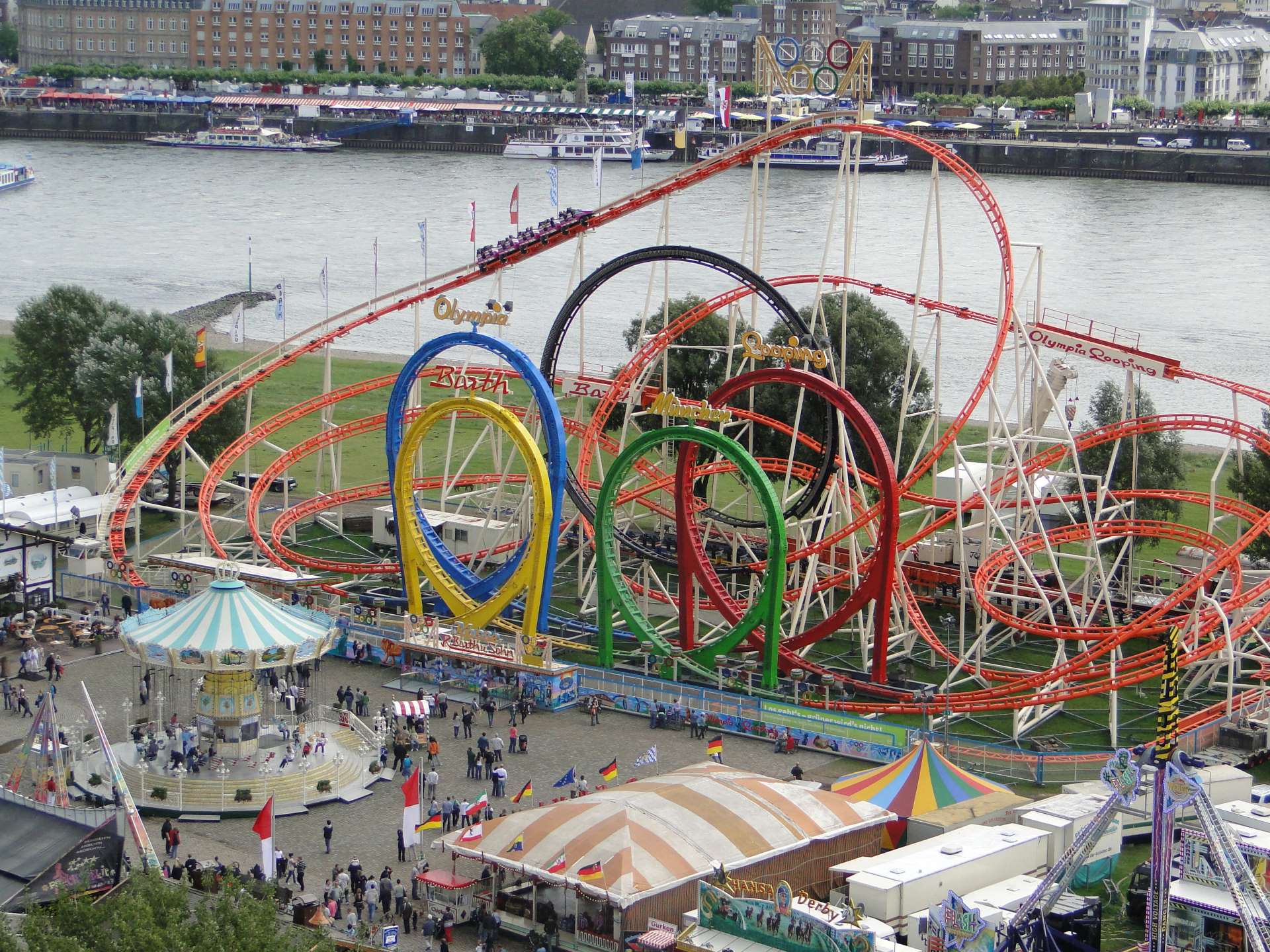
Photo: Cheri Armstrong. View full-sized image.
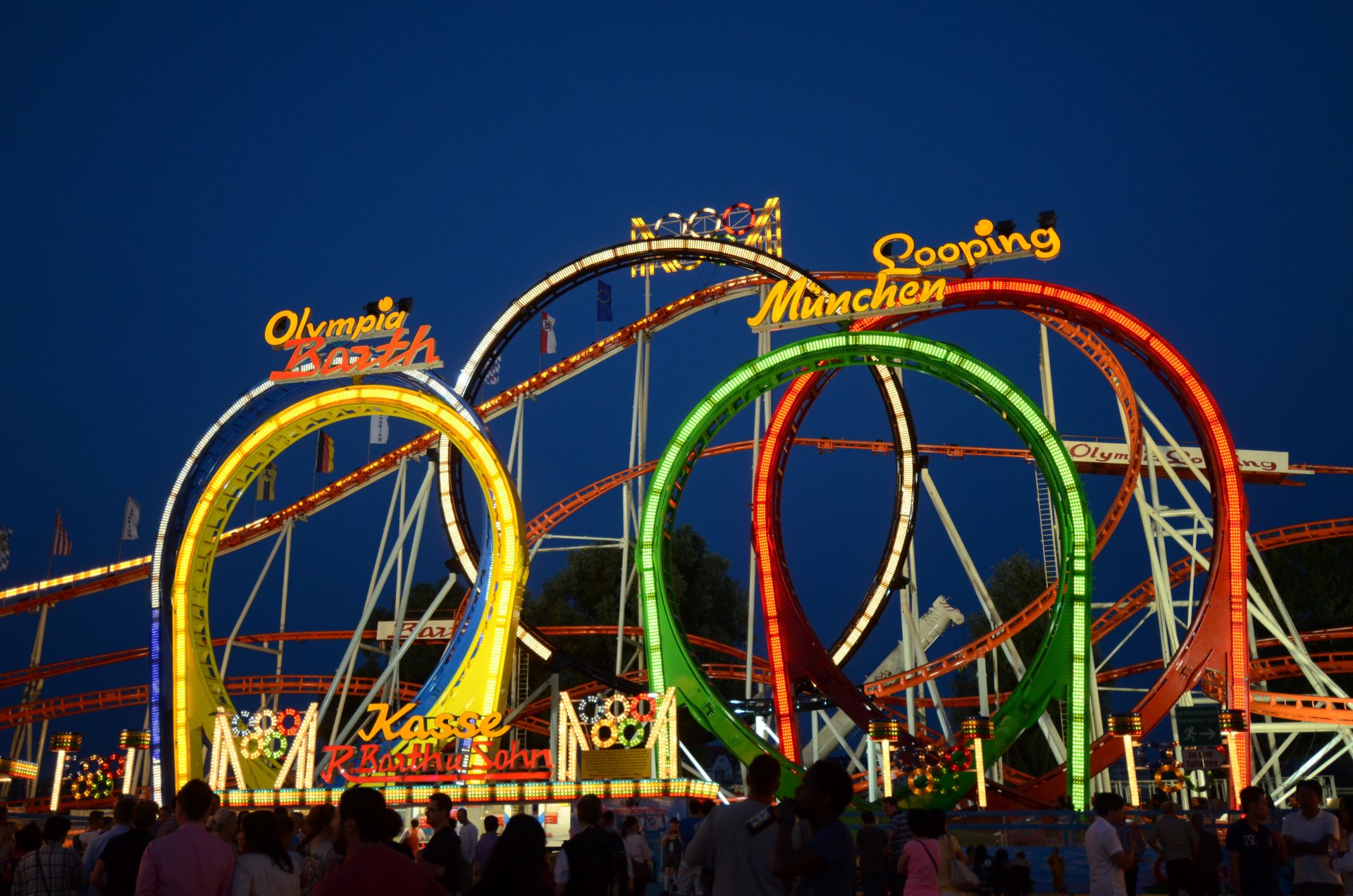
Photo: Keith Kastelic. View full-sized image.
Taking an overview, how much of a tradition has it been worldwide to take care of Schwarzkopf coasters over the years, especially considering the two most likely to be lost? According to Roller Coaster DataBase, there were 142 Schwarzkopf coasters made by the firm (five of which Anton himself designed), 54 of which still exist. Since the first Schwarzkopf opened in 1957, 88 have been lost. The first Schwarzkopf, Düsenspirale (a 1,049-foot-long, 28-foot-tall family steelie), traveled around Germany with funfair showman Gottlieb Löffelhardt, ended up at the Prater in Vienna and then became the first Schwarzkopf to be closed for good. It was scrapped in 1968.
— Randy Geisler
@#$%&!
#ACENews