originally posted on 1/10/2023
When you hear the words “amusement park”, what do you think of? Perhaps something along the lines of a gated-off area filled with pathways, concession stands and thrill rides?
Amusement parks can be found all over the world, but what visitors expect and enjoy from their local parks varies significantly by continent. For example, parks in Europe are so distinct from their Asian counterparts - but how exactly are they different, and what facilitated these deviations? In this series, the traits of amusement parks across the world will be compared and contrasted, beginning with North America and Europe.
Amusement Parks of North America
On average, North America’s amusement parks are the largest in the entire world. Most are owned by corporate chains such as Six Flags or Cedar Fair. The earliest amusement parks in North America began their lives as picnic groves. In 1895, Coney Island opened in New York City as the very first “amusement park”, and those picnic groves transformed themselves to embrace this newfangled entertainment destination. An amusement park is a park that focuses on thrilling rides and standout attractions, with less emphasis on theming and immersion. Consequently, the United States is home to a few of the oldest theme parks, but not as many as Europe.
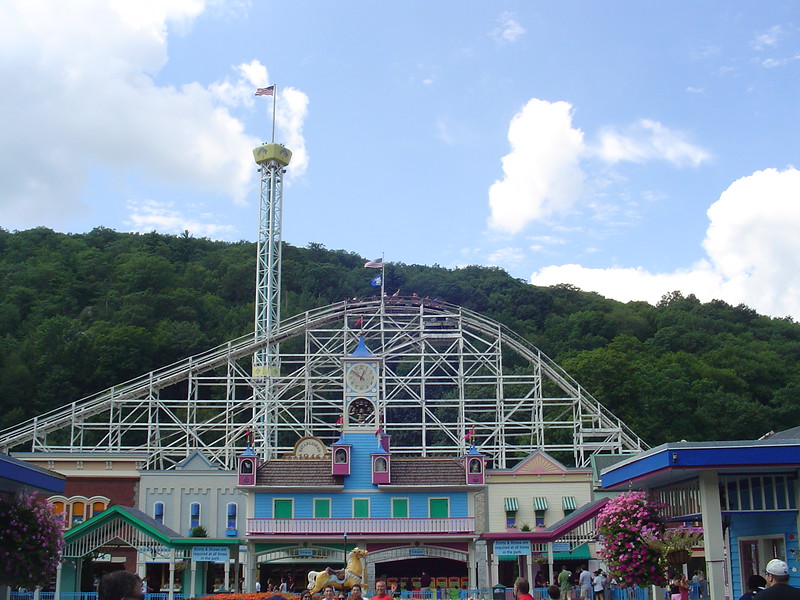
Lake Compounce in Connecticut, United States - opened in 1846.
Photo: J. Seifert. View full-sized image.
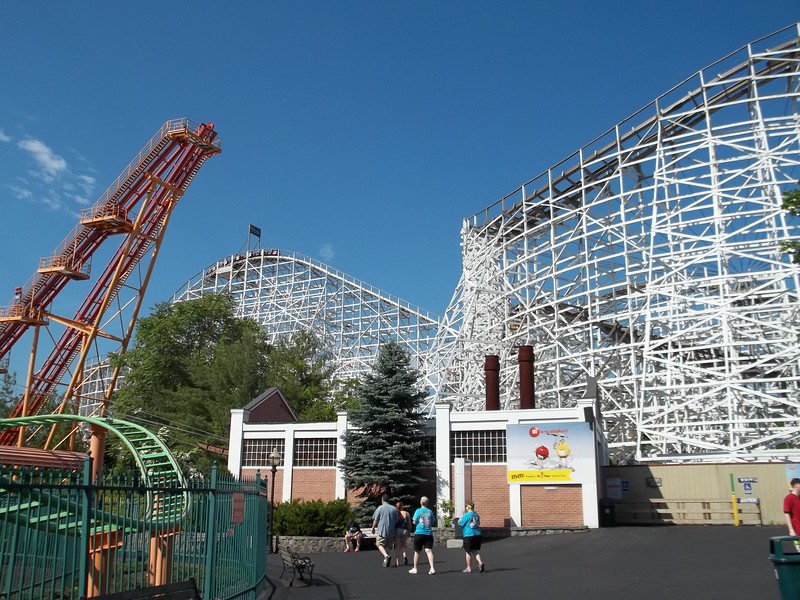
Six Flags New England in Massachusetts, United States - opened in 1870 as Riverside Amusement Park.
Photo: A. Shick. View full-sized image.
However, most amusement parks in North America opened from the 1960s to the 1980s. These parks are home to record-breaking thrill rides, while older attractions were often record-breakers in their heyday. To fit these massive-scale coasters, American amusement parks are quite sprawling - during a park visit, it’s not uncommon for visitors to walk for miles between parking lots, pathways and rides.
While Disney and Universal are world-renowned for their abundant theming and storytelling, most North American parks focus less on scenery and ambiance. Instead, they prioritize (and invest in) rides. As a whole, American amusement parks are primarily distinguished by their humongous size and multitude of record-breaking thrill machines.
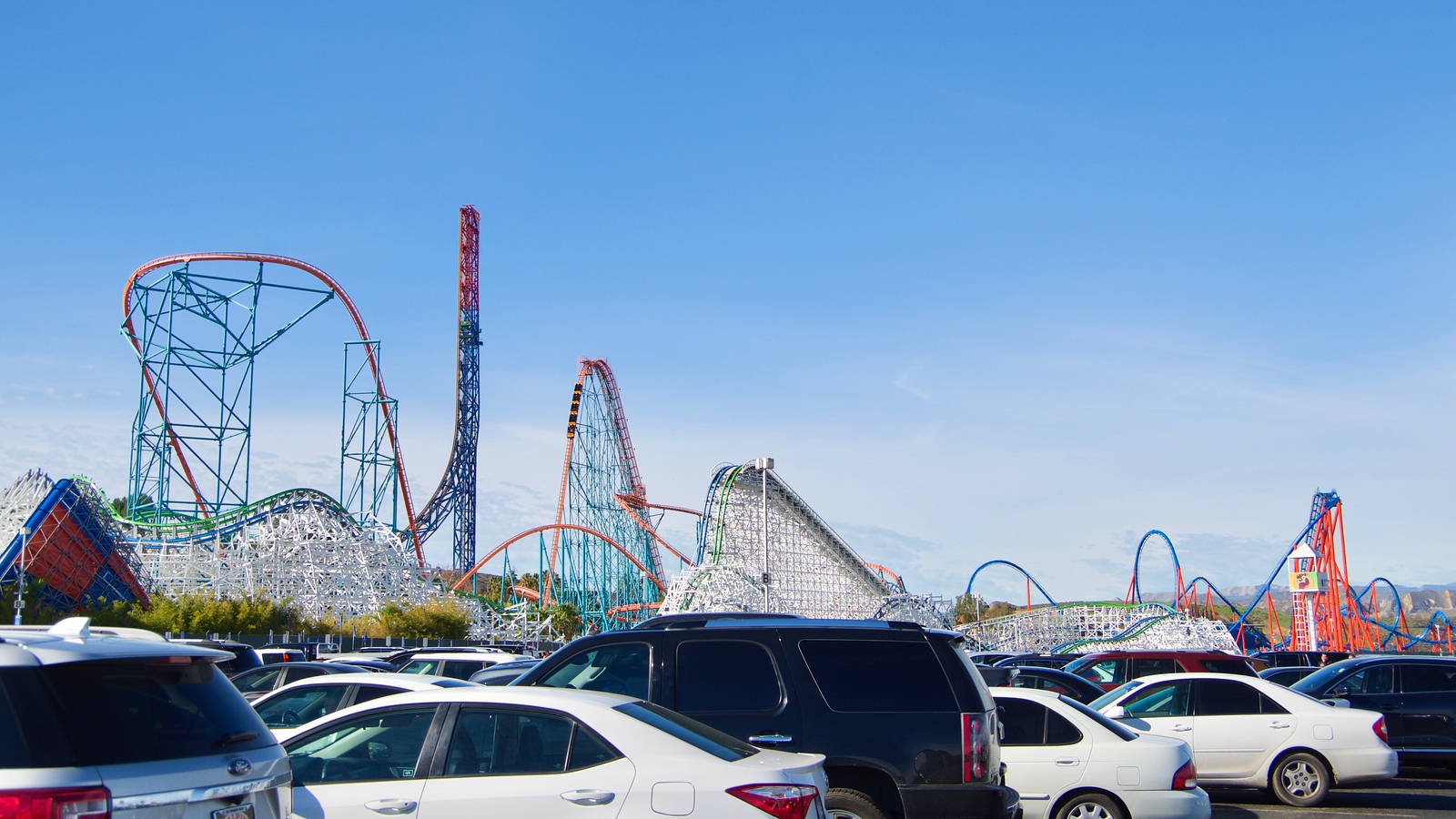
Six Flags Magic Mountain in California, United States - 20 roller coasters (world record holder!).
Photo: Harris Lanum. View full-sized image.
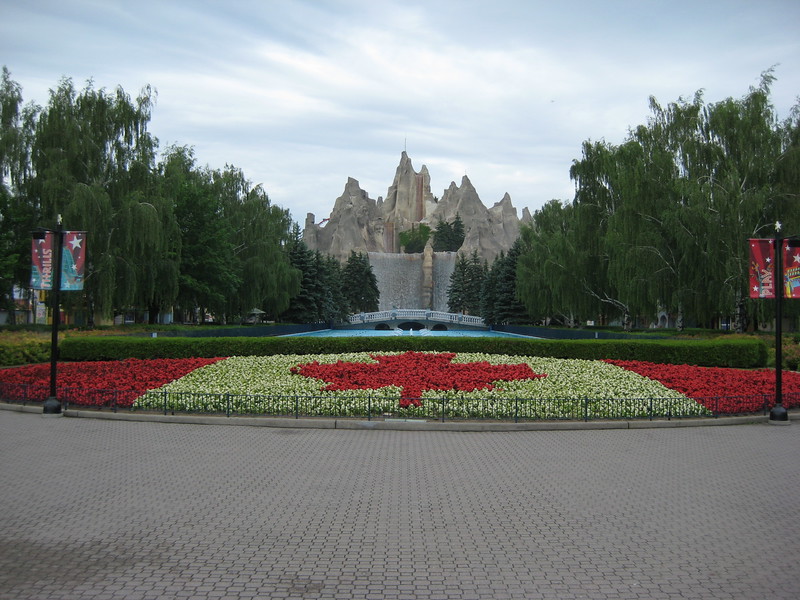
Canada’s Wonderland in Ontario, Canada - 18 roller coasters.
Photo: S. Gzesh. View full-sized image.
Theme Parks of Europe
In 1583, the “theme park” concept was born with Bakken near Copenhagen, Denmark. As a result, Europe is home to the oldest theme parks in the entire world. A theme park is a park that prioritizes storytelling and overall experience through scenery and immersive rides, such as dark rides and stage shows, with less emphasis on raw thrills - a well-known theme park example is anything owned by Disney: Walt Disney World, Disneyland, Disneyland Paris and so on. When designing Disneyland, Walt Disney actually drew inspiration from Europe's historic theme parks, namely Tivoli Gardens of Copenhagen, Denmark.
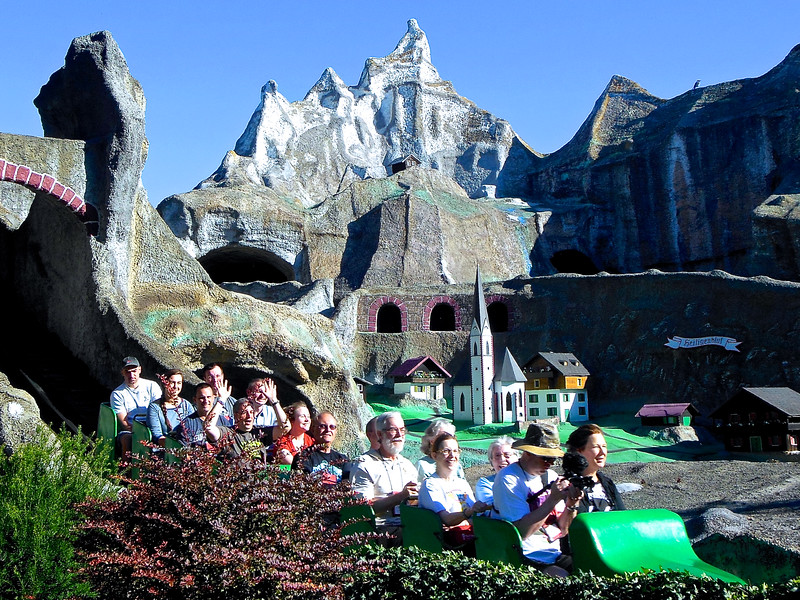
Wiener Prater fairgrounds of Vienna, Austria - opened in 1766.
Photo: Courtesy of ACE Central Europe. View full-sized image.
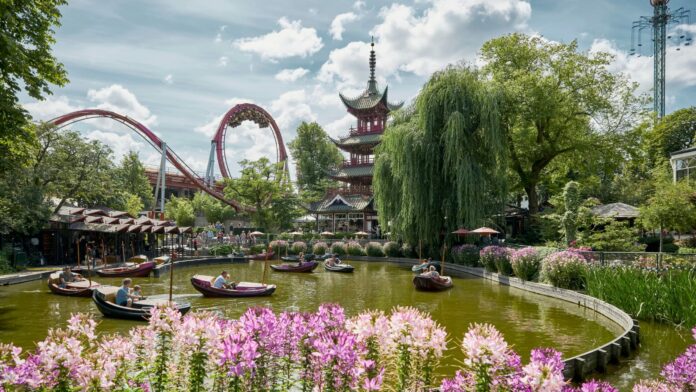
Tivoli Gardens of Copenhagen, Denmark - opened in 1843.
Photo: Courtesy of Tivoli Gardens. View full-sized image.
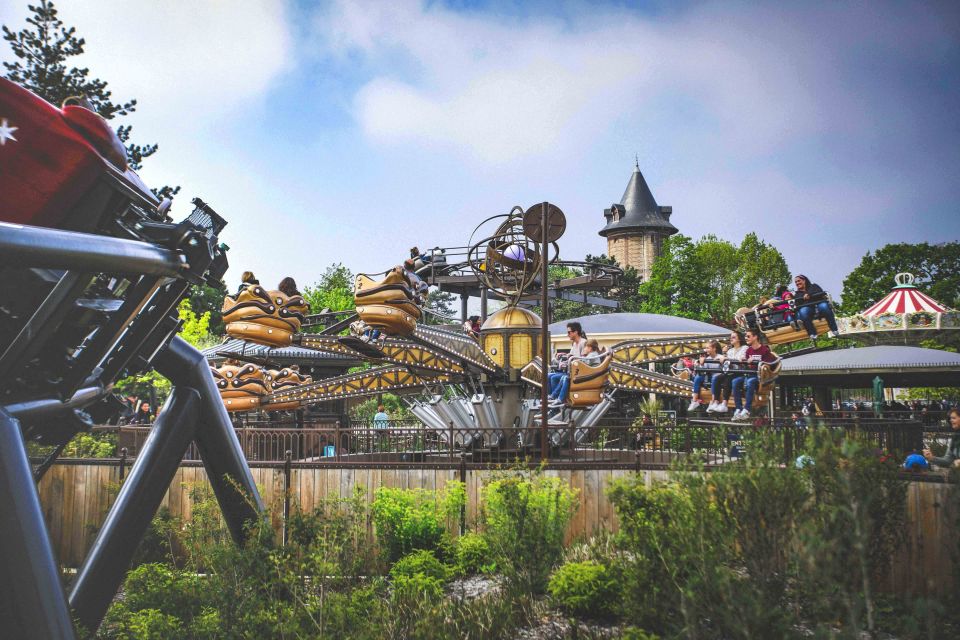
Jardin d'Acclimatation of Paris, France - opened in 1860.
Photo: Courtesy of GetYourGuide. View full-sized image.
While European parks aren’t filled with extreme, large-scale attractions unlike their North American counterparts, they prioritize theming and storytelling - catering to the entire family, not just thrillseekers. Because of this, theme parks in Europe share much more in common with Disney or Universal than a traditional amusement park. As fairytales and fantasy literature originated from Europe, several theme parks here are themed after such stories - the most famous example is the Efteling, located in the Netherlands. The Efteling is home to the sprawling Sprookjesbos trail - Sprookjesbos means “fairytale forest” in Dutch.
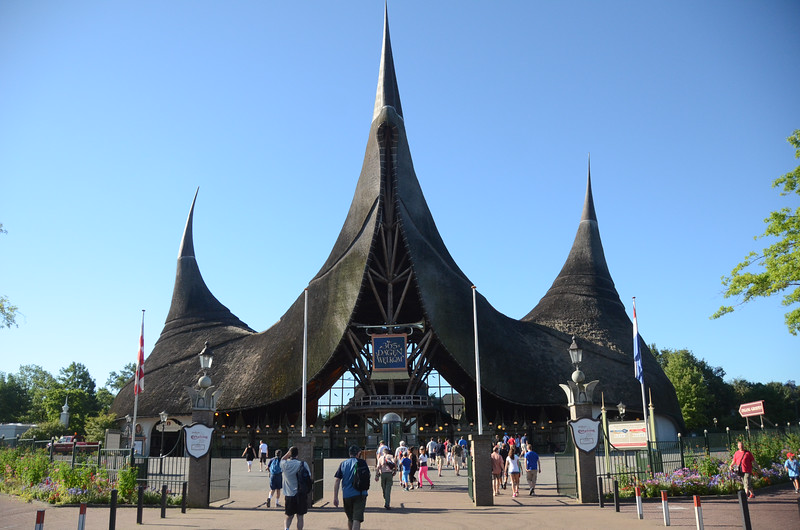
The Efteling of Kaatsheuvel, Netherlands - Travel, Fairy, Adventure, Other and Fantasy Realms.
Photo: Courtesy of ACE Central Europe. View full-sized image.
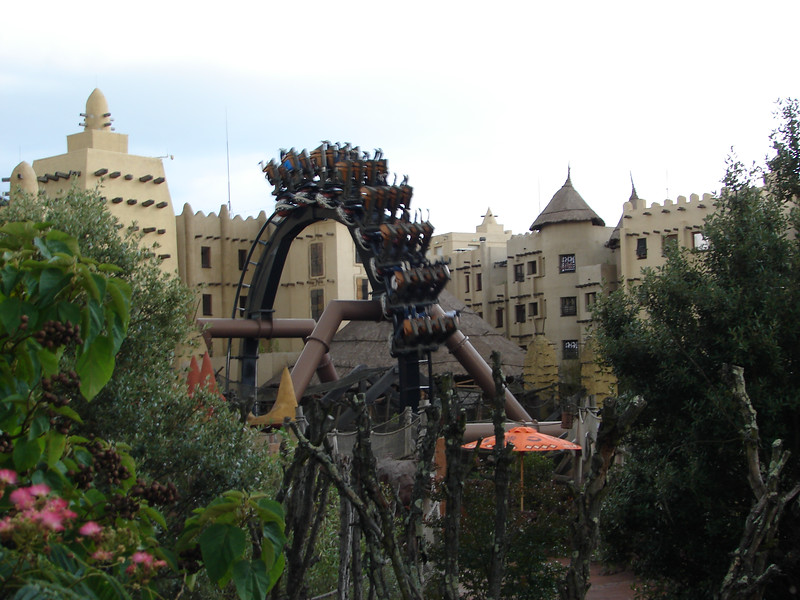
Phantasialand of Bruhl, Germany - Fantasy, Mystery, Berlin, Mexico, Deep in Africa and China Town.
Photo: Courtesy of ACE Central Europe. View full-sized image.
The next article will take a magnifying glass to the parks of the Orient - namely in China and Japan. Which parks would you rather visit: North American thrill metropolises or immersive European themescapes?
— Kohl Gribble, ACE360 Coordinator
#ACE360