originally posted on 2/3/2025
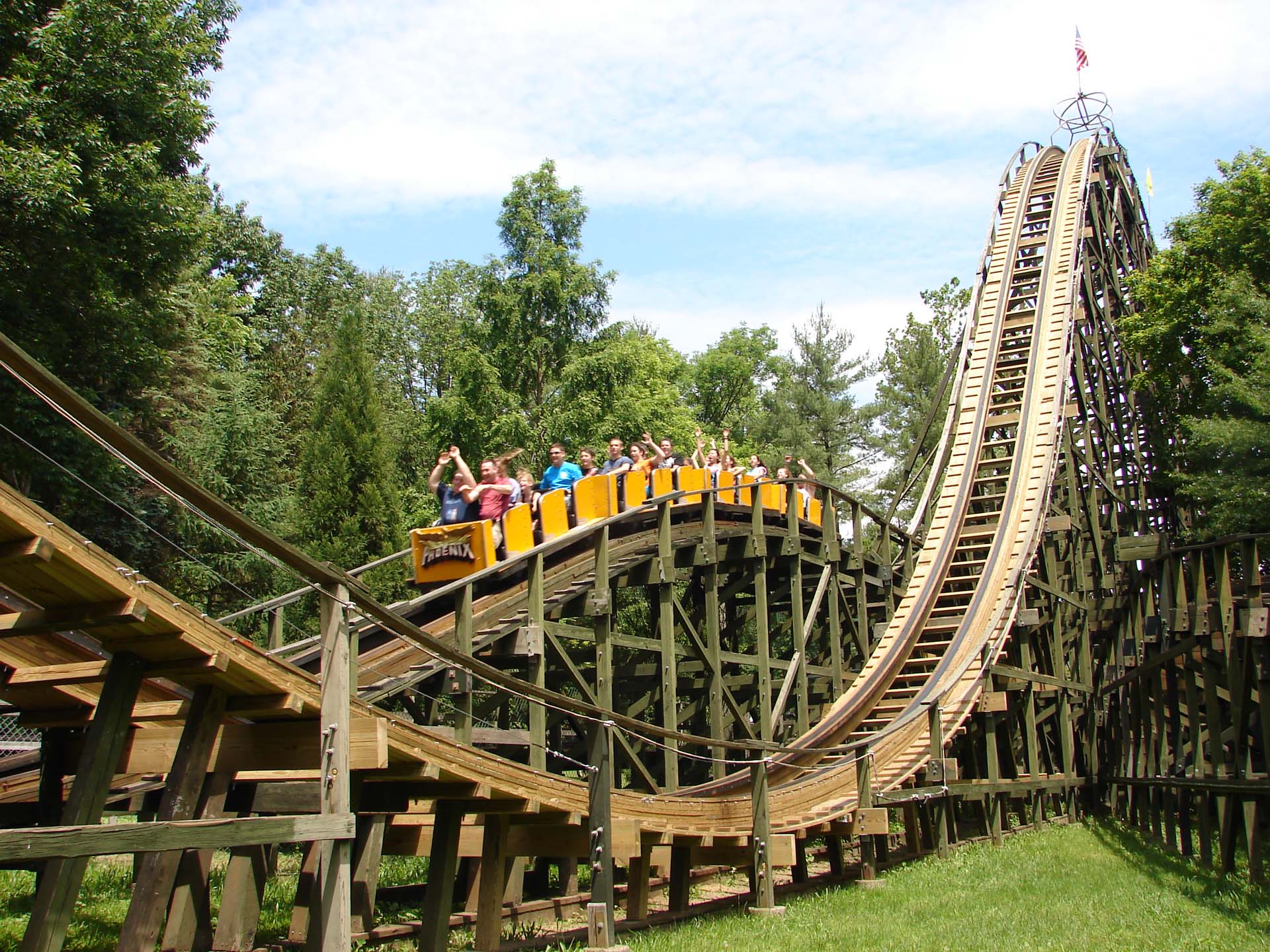
Phoenix.
Photo: Tim Baldwin. View full-sized image.
Ever since Knoebels Amusement Resort (Elysburg, Pennsylvania) relocated the Playland Park (San Antonio, Texas) Rocket, the question asked of any endangered wooden coaster has been is it worth relocating? The answer is not an easy yes or no, as there are many factors that affect it.
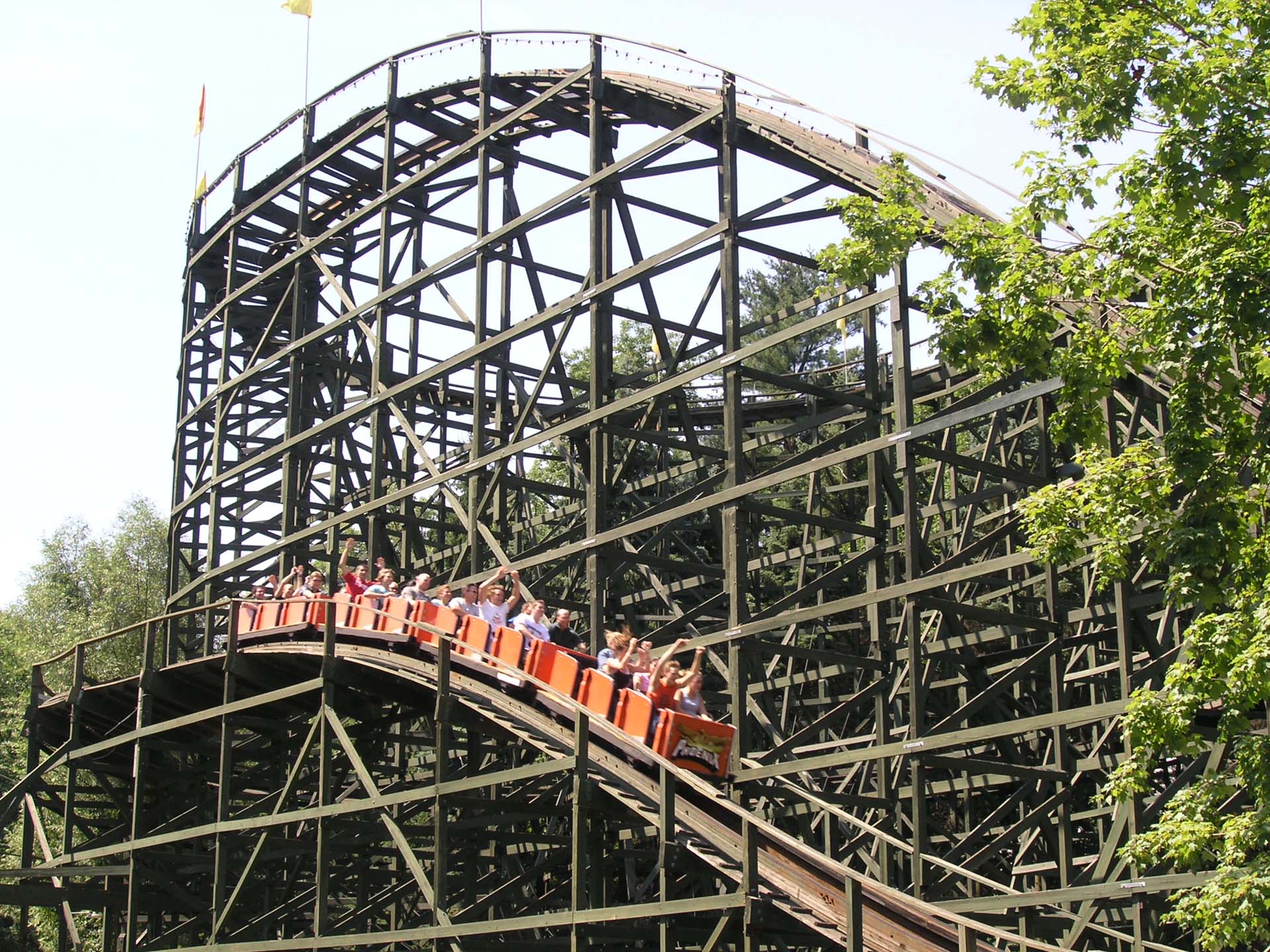
The successful relocation of the former Playland Park Rocket to Knoebels Amusement Resort resulted in other amusement parks taking notice of its ability to add a feature attraction without spending millions on a new ride.
Photo: Torrence Jenkins. View full-sized image.
Generally, if a coaster is being considered for relocation, the first thing to be examined is the terrain on which the coaster was constructed. Obviously, a true terrain coaster that takes advantage of a park’s topography typically won't "fit" anywhere else. Good as they may be, these coasters are dropped from consideration right away. Typically only coasters that sit on flat land will be considered for a relocation.
Also taken into consideration is the size and shape of a roller coaster's footprint. The park considering the ride for relocation has to have a suitably sized plot on which to reconstruct the roller coaster. Without this appropriate room for the ride, relocation is not considered.
The next consideration is the roller coaster’s blueprints. Nearly 97% of the time, the existing park has them in its possession — a good thing since the builders of the ride at the new location will need them for the layout (even though the bents are already built, blueprints will be required for the footing layout at the new location). If no blueprints for the ride exist, a new set will need to be created, and because the process requires time and money, the lack of blueprints may result in the idea of the move being dropped.
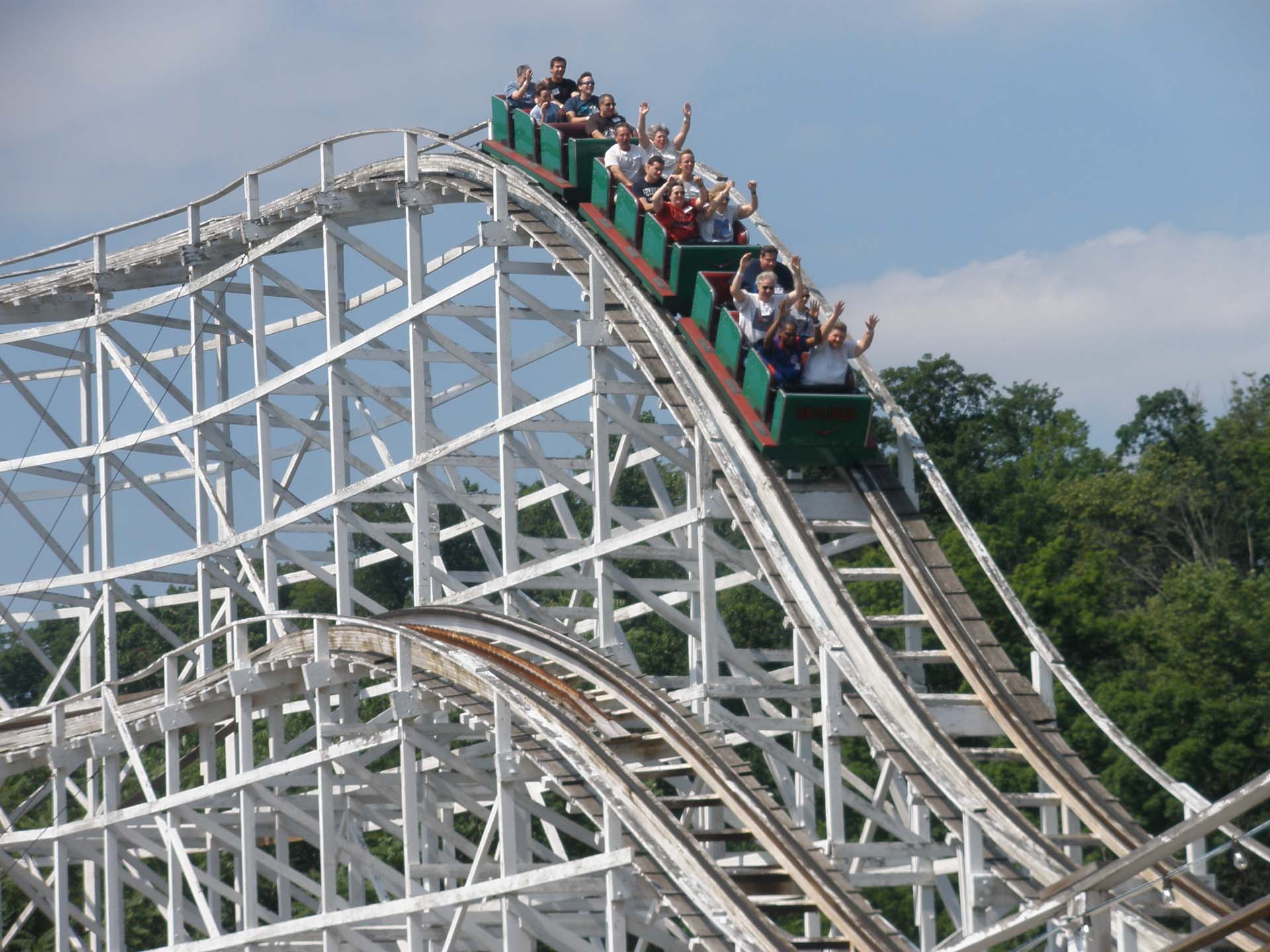
Lakemont Park’s Skyliner and Wild World’s Wild One followed in the footsteps of Phoenix and became headline attractions in their respective parks.
Photo: Dave Hahner. View full-sized image.
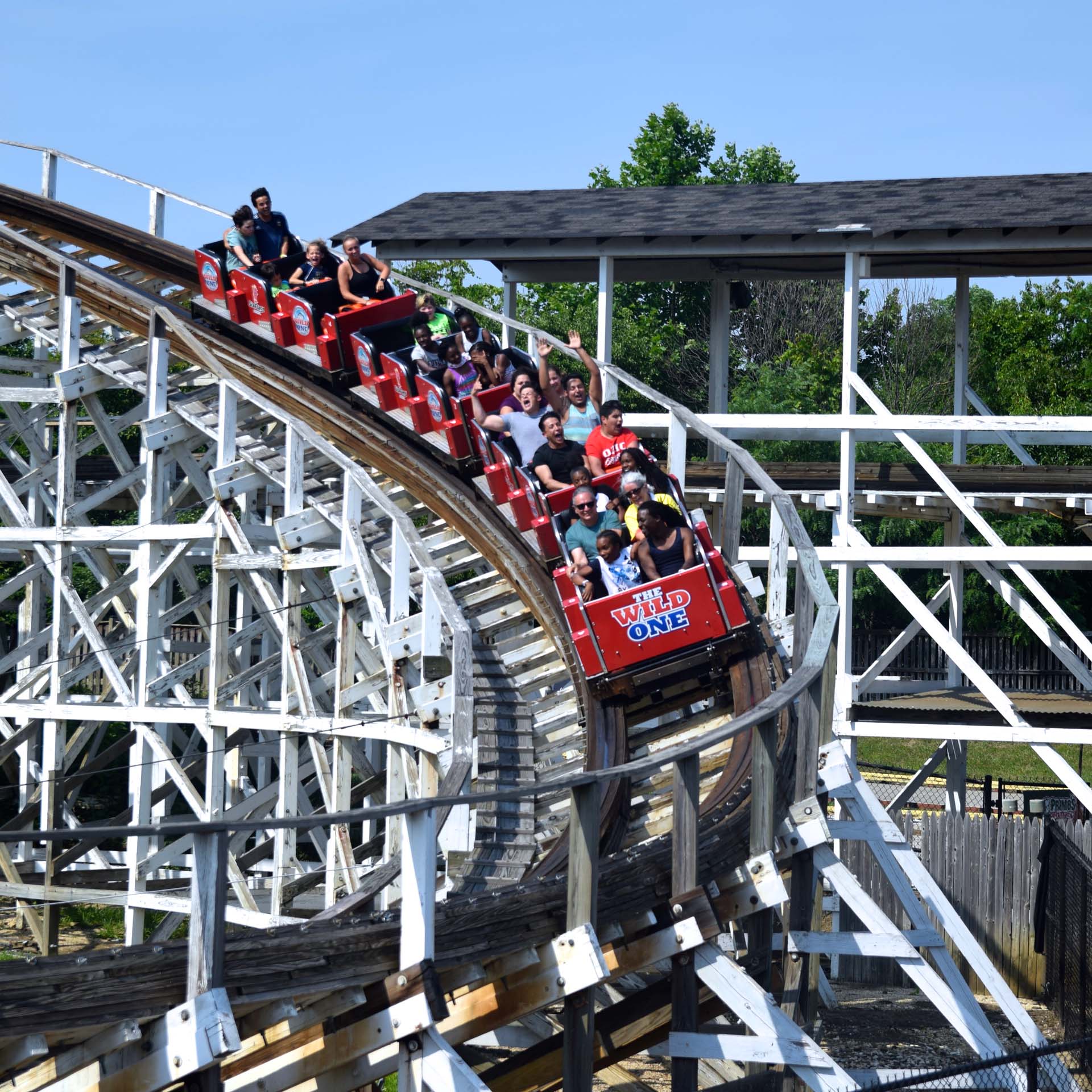
Photo: Alex Dickey. View full-sized image.
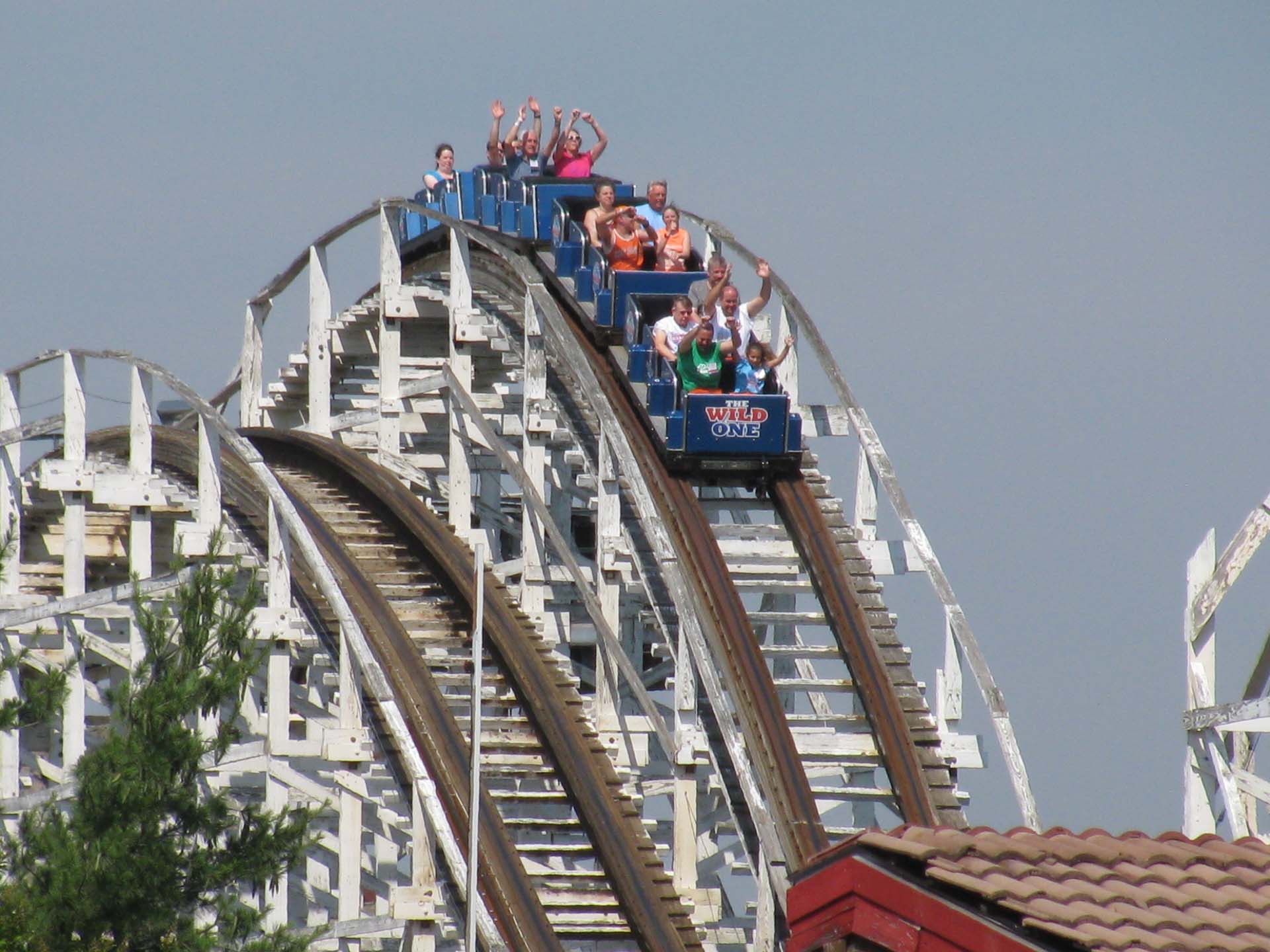
Photo: Sarah Windisch. View full-sized image.
If the considered coaster has cleared all of these hurdles so far, next comes the ride's careful inspection. A park doesn't want to invest time and money to move all the disassembled materials of the ride if those materials are worn out and will require replacement.
The first thing examined is the roller coaster’s supporting structure. Generally (but not always), a ride’s supporting structure is in decent shape even if it is very old — the process of pressure treating in modern times and painting and staining in previous eras have allowed vertical structures to shed water that otherwise would have caused rot and decay.
Once this is complete, the various steel laminates used in a wooden coaster’s track construction are examined. This is especially true of the steel on which the train’s wheels ride. It is beneficial for this to be in pristine condition for use on the old ride at a new location. A little surface rust is not a problem, but scarred road steel will need to be replaced, thus adding another expense to the relocation.
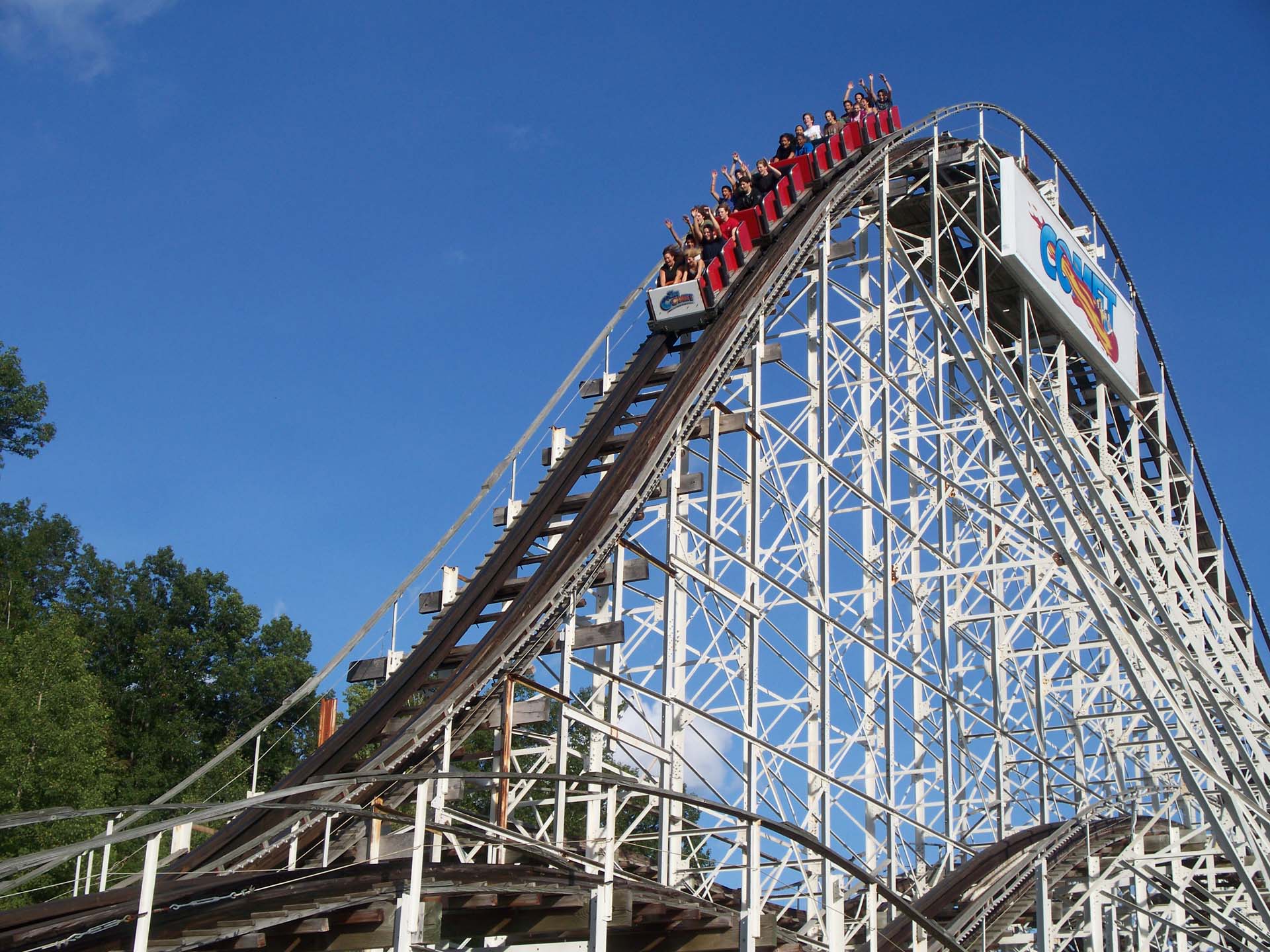
Nearly a decade after Phoenix debuted at Knoebels Amusement Resort, the former Crystal Beach (Ontario, Canada) Comet found a new home at Great Escape in New York.
Photo: Adrian Lloyd. View full-sized image.
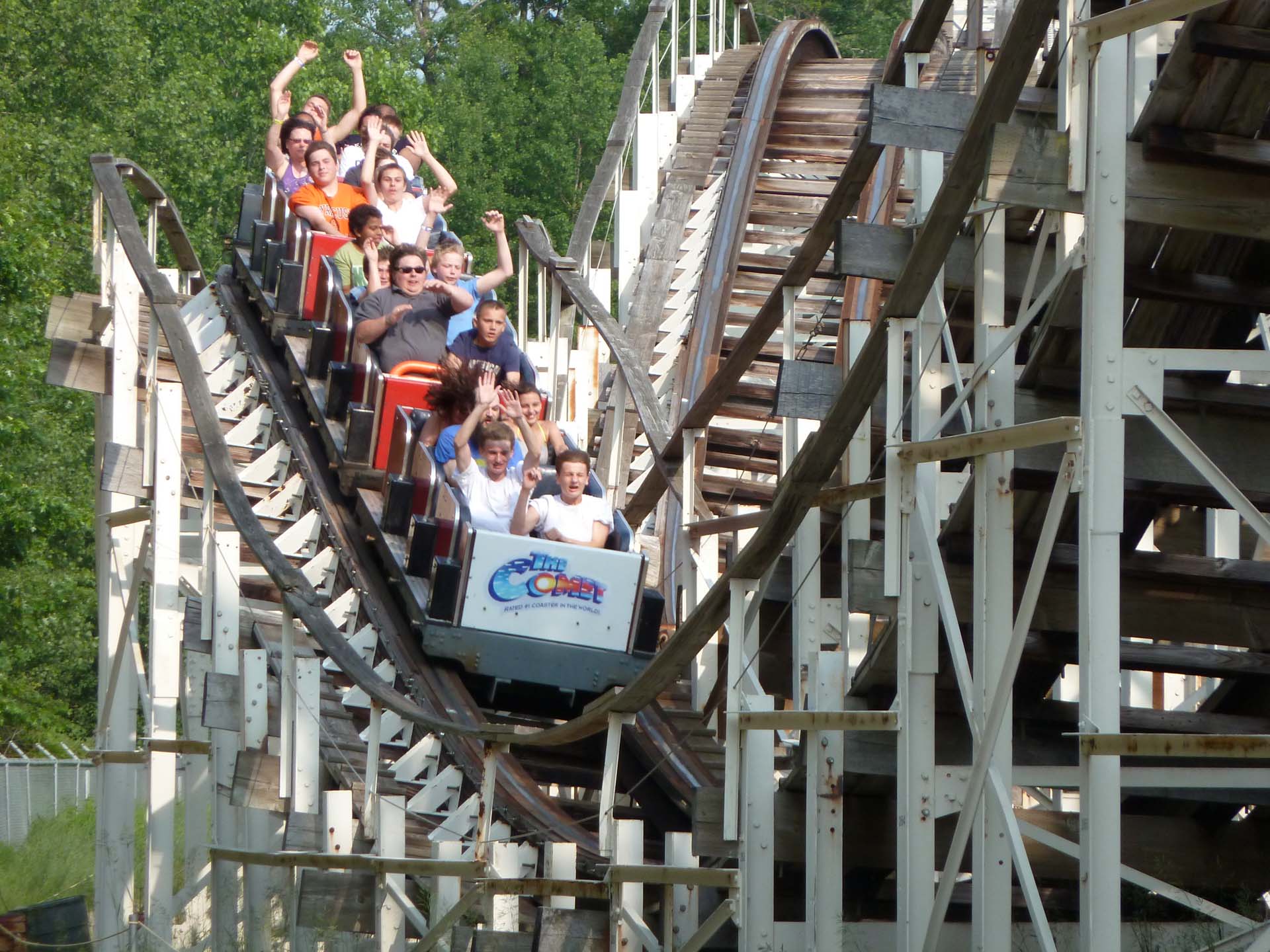
Photo: Richard Koppelman. View full-sized image.
The condition of the wood in the track stack is actually not considered in the relocation because it will be disposed of regardless of the condition, due to the way the rails are constructed with the laminating boards’ ends being staggered. This construction method makes the rails exceptionally strong but also impossible to disassemble and save for future use.
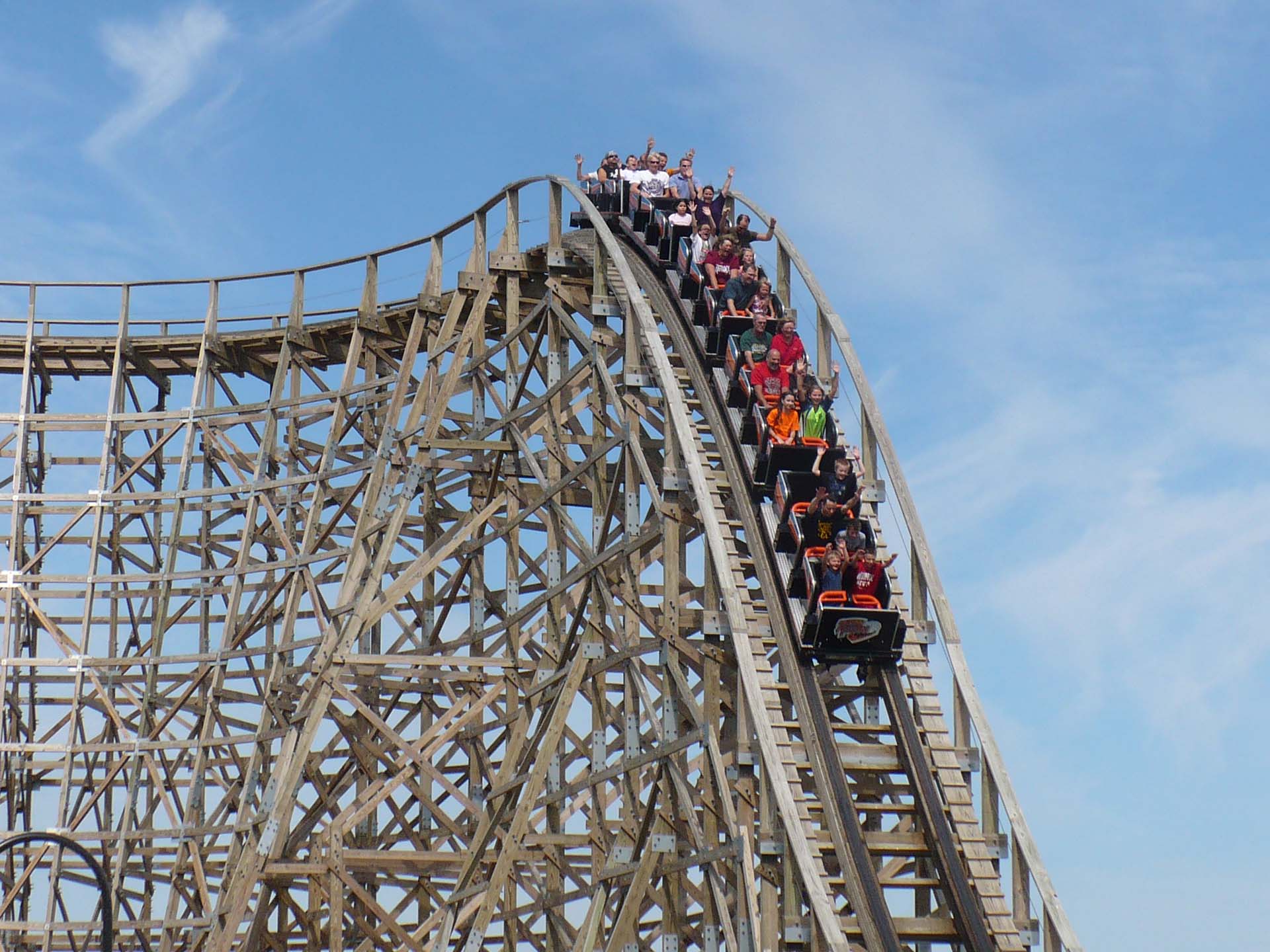
While Libertyland’s Zippin Pippin was not deemed a candidate for relocation, the coaster’s blueprints were used in the creation of a new coaster at Bay Beach Amusement Park in Green Bay, Wisconsin, and maintains the spirit of John Miller’s 1923 out-and-back design.
Photo: Michael Horwood. View full-sized image.
The final thing that's examined when considering relocating a coaster is the condition of the train cars, lift motor, chain and sprockets. Any of these can be repaired or replaced as part of the relocation but may add greatly to the overall costs of the project.
As much as coaster enthusiasts would like for any wood coaster facing the wrecking ball to have another chance at life, a lot of cost analysis goes into deciding whether it's financially practical to relocate a ride: the cost of relocation compared with the amount of money it will make at its new home is something that unfortunately dooms many projects.
In the next installment, we will begin taking a closer look at what happens when this process determines a relocation is feasible.
— Steve O’Donnell
#ACENews